Zone 8 Planting Guide: A Comprehensive Calendar
Planning your garden in Zone 8 is remarkably straightforward‚ offering a long growing season with minimal downtime.
Utilize readily available resources‚
like zip code-specific calendars‚
and visual charts to maximize your harvests throughout the year!
Burpee’s Grow Calendar and the Old Farmer’s Almanac provide downloadable PDFs with key dates‚
while Reddit’s r/zone8gardening offers community insights.
Remember‚ local knowledge and careful note-taking are invaluable!
Understanding Zone 8
Zone 8 is a particularly favorable gardening region‚ characterized by mild winters and warm summers. This USDA plant hardiness zone spans a significant portion of the United States‚ including areas along the Pacific Coast‚ the Southern Plains‚ and the lower Southeast. Average minimum winter temperatures range from 10°F to 20°F (-12.2°C to -6.7°C)‚ allowing for a diverse range of plant life.
Gardeners in Zone 8 benefit from an extended growing season‚ often capable of harvesting crops well into the fall and even winter with proper protection. This makes it ideal for both early spring and late fall plantings. Understanding your specific microclimate within Zone 8 – considering factors like elevation and proximity to bodies of water – is crucial for optimizing planting schedules. Printable planting guides tailored to Zone 8 are readily available online‚ offering month-by-month recommendations for vegetables‚ fruits‚ and herbs.
Successful Zone 8 gardening relies on utilizing these resources and adapting them to your local conditions.
Average Last and First Frost Dates
Determining your average last and first frost dates is paramount for successful planting in Zone 8. While Zone 8 generally enjoys a long growing season‚ frost risks still exist. The typical last frost date falls between late March and mid-April‚ though this varies significantly based on location. Conversely‚ the first frost typically arrives between mid-October and late November.
However‚ relying solely on averages can be risky. Utilizing zip code-specific planting calendars‚ like those offered by the Old Farmer’s Almanac‚ provides more precise dates tailored to your microclimate. Printable Zone 8 planting guides often incorporate these localized frost date estimations. Remember to consider a buffer period – waiting a week or two after the average last frost date before planting tender seedlings.
Monitoring local weather forecasts and being prepared to protect plants with covers or row fabrics is also essential‚ especially during unpredictable spring and fall weather patterns.
Soil Preparation for Zone 8 Gardens
Zone 8 soils benefit greatly from thorough preparation before planting. Most printable Zone 8 planting guides emphasize the importance of well-drained‚ fertile soil. Begin by removing weeds and debris. A soil test is highly recommended to determine pH levels and nutrient deficiencies. Zone 8 soils can range from clay to sandy‚ so amending is often necessary.
Adding organic matter is crucial. Compost‚ well-rotted manure‚ or leaf mold improves drainage in clay soils and water retention in sandy soils. Aim to incorporate several inches of organic matter into the top 12 inches of soil. This enhances fertility and provides essential nutrients for plant growth.
Consider raised beds if drainage is a significant issue. Proper soil preparation sets the foundation for a thriving garden‚ maximizing yields and plant health throughout the growing season.
Monthly Planting Schedule ⎼ Vegetables
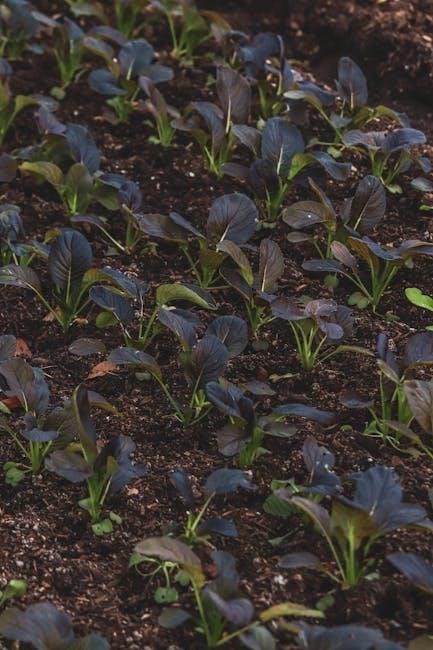
A Zone 8 vegetable garden thrives with consistent attention. Printable guides detail monthly tasks‚ from February seed starting to November harvests‚ ensuring a bountiful yield all season!
February: Starting Seeds Indoors
February in Zone 8 marks the ideal time to begin nurturing your garden from seed indoors. Utilizing a printable Zone 8 planting guide is incredibly helpful during this phase. Focus on starting warm-season vegetables that require a longer growing period before the last frost.
Excellent choices include tomatoes‚ peppers‚ eggplants‚ and broccoli. Providing consistent warmth and light is crucial for successful germination. Seed-starting mixes and grow lights are highly recommended.
Refer to your chosen planting calendar for specific dates tailored to your microclimate. Don’t forget to harden off seedlings gradually in spring before transplanting them outdoors. This process acclimates them to outdoor conditions‚ preventing shock. A well-planned February start sets the stage for a productive vegetable garden!
March: Early Spring Planting
As March arrives in Zone 8‚ early spring planting can commence‚ guided by your printable Zone 8 planting guide. While frost risks still exist‚ certain cool-season crops thrive when directly sown into the garden.
Consider planting spinach‚ lettuce‚ radishes‚ carrots‚ and peas. These vegetables tolerate cooler temperatures and provide an early harvest. Soil preparation is key; ensure it’s well-drained and amended with compost.
Keep a close eye on the weather forecast and be prepared to protect young seedlings with row covers if a late frost threatens. Continue starting warm-season seeds indoors‚ building upon the foundation laid in February. March is a busy month‚ bridging the gap between winter’s end and the full bloom of spring!
April: Expanding Vegetable Options
April in Zone 8‚ referencing your printable Zone 8 planting guide‚ allows for a significant expansion of vegetable options. The risk of hard frost diminishes‚ opening opportunities for more tender crops.
Direct sow beans‚ beets‚ and turnips. Transplant seedlings of broccoli‚ cauliflower‚ and cabbage that were started indoors earlier. Potatoes can also be planted in April. Continue succession planting of radishes and lettuce for a continuous harvest throughout the season.
Monitor soil temperatures to ensure optimal germination. Warm-season crops like tomatoes and peppers are still best started indoors‚ but can be hardened off in preparation for planting in May. April is a crucial month for building momentum in the garden‚ setting the stage for a bountiful summer!
May: Warm-Season Vegetable Planting
May marks the full swing of warm-season vegetable planting in Zone 8‚ as indicated by your printable Zone 8 planting guide. Soil temperatures are consistently warm enough to support the growth of heat-loving plants.
Transplant tomatoes‚ peppers‚ eggplant‚ and basil. Direct sow corn‚ squash‚ cucumbers‚ and melons. Continue succession planting of beans and other quick-growing vegetables. Ensure adequate watering‚ especially for newly transplanted seedlings.
Mulching around plants helps retain moisture and suppress weeds. Monitor for pests and diseases‚ taking preventative measures as needed. May is a busy month‚ but the rewards of a flourishing summer garden are well worth the effort. Refer to your guide for specific variety recommendations suited to Zone 8!
June: Continued Planting & Maintenance
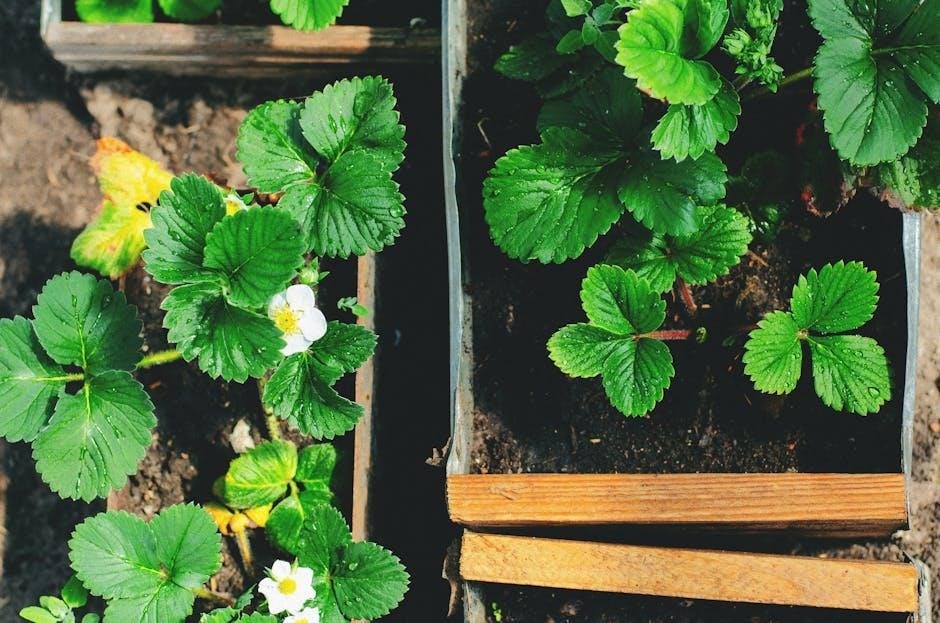
June in Zone 8‚ guided by your printable planting calendar‚ demands consistent maintenance alongside continued planting opportunities. Succession sow heat-tolerant crops like beans‚ squash‚ and cucumbers for a prolonged harvest. Consider a second planting of corn for a late-season yield.
Focus on diligent watering‚ especially during potential heat waves. Mulch heavily to conserve soil moisture and suppress weeds. Regularly inspect plants for pests and diseases‚ addressing issues promptly. Support vining plants like tomatoes and cucumbers with stakes or trellises.
Fertilize vegetables as needed‚ following recommendations on your guide. Deadhead spent flowers to encourage continued blooming. June is a crucial month for ensuring a bountiful summer harvest‚ so stay attentive to your garden’s needs!
July: Summer Planting & Harvesting
July in Zone 8‚ referencing your printable planting guide‚ is peak harvest time! Enjoy the fruits (and vegetables!) of your labor‚ regularly picking ripe produce to encourage continued production. This is also a good time for a final sowing of quick-maturing crops like radishes and lettuce for a fall harvest.
Heat can be intense‚ so prioritize watering deeply and consistently. Monitor for pests and diseases‚ which thrive in warm‚ humid conditions. Continue mulching to retain moisture and suppress weeds. Consider providing shade for heat-sensitive plants during the hottest part of the day.
Preserve your harvest through canning‚ freezing‚ or drying. Succession plant beans and squash for a continued supply. July demands diligent garden care to maximize yields and enjoy the abundance of summer!
August: Fall Garden Planning
As summer wanes in Zone 8‚ consult your printable planting guide and begin planning your fall garden! August is the crucial month to start seeds indoors for cool-season crops like broccoli‚ cabbage‚ and kale‚ ensuring they’re ready for transplanting as temperatures cool.
Direct sow seeds for root vegetables – carrots‚ beets‚ and turnips – benefiting from the warmer soil. Evaluate your summer garden‚ noting successes and failures to inform your fall planting choices. Begin amending the soil with compost and other organic matter to prepare beds for new plantings.
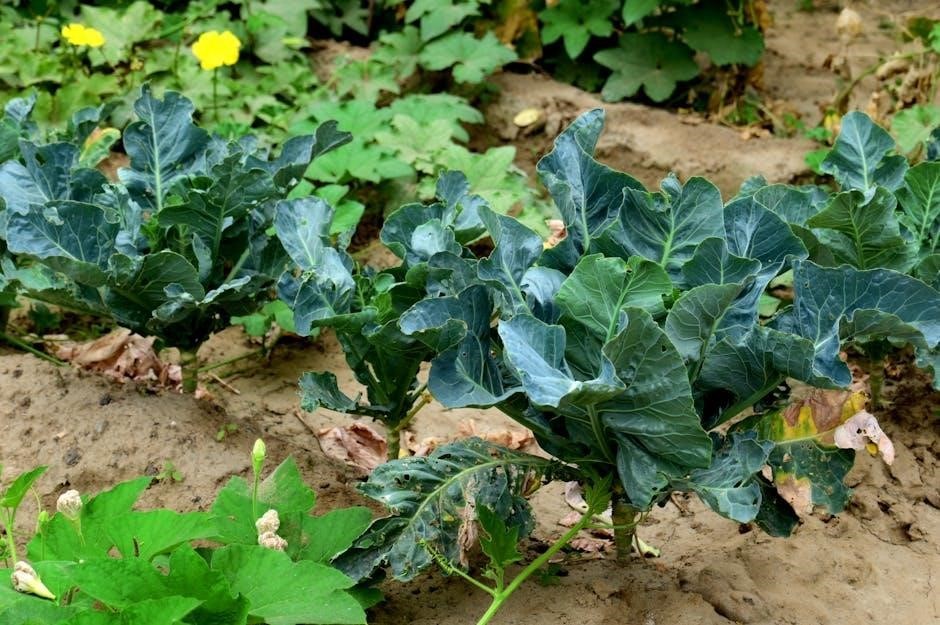
Consider cover crops to improve soil health over the winter. This is also a good time to extend the harvest of warm-season crops by succession planting. Proactive planning now guarantees a bountiful fall harvest!
September: Cool-Season Vegetable Planting
September marks the prime time for cool-season vegetable planting in Zone 8‚ as indicated by your printable planting guide. Transplant those seedlings started in August – broccoli‚ cauliflower‚ and cabbage will thrive in the milder temperatures. Direct sow leafy greens like spinach‚ lettuce‚ and arugula for a continuous harvest throughout fall.
Root vegetables continue to be excellent choices for September planting; carrots‚ radishes‚ and beets will benefit from the consistently moist soil. Don’t forget about garlic and onion sets for a spring harvest!
Monitor for pests and diseases as the weather fluctuates. Consistent watering is key‚ especially for newly transplanted seedlings. A well-planned September planting sets the stage for a productive and delicious fall garden.
October: Final Harvests & Cover Crops
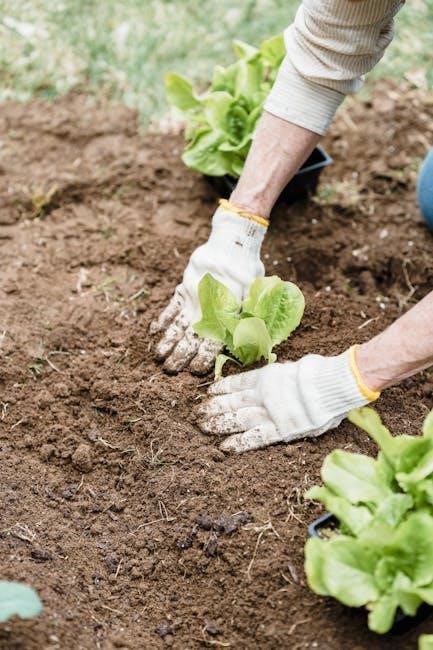
October in Zone 8 signifies the tail end of the harvest season‚ as detailed in your printable guide. Gather the last of your warm-season crops – tomatoes‚ peppers‚ and beans – before the first frost threatens. Pumpkins and winter squash are also ready for picking and storing.
Crucially‚ October is the ideal time to sow cover crops. These protect and enrich your soil over the winter months. Options include rye‚ oats‚ and crimson clover. They prevent erosion‚ suppress weeds‚ and add valuable organic matter when tilled in spring.
Clean up garden debris to minimize pest and disease issues. Prepare beds for winter by adding compost or aged manure. A little October effort ensures a healthier‚ more productive garden next year!
November: Garden Cleanup & Soil Amendment
November in Zone 8 marks a period of essential garden preparation‚ as highlighted in your printable planting guide. Complete the cleanup of all remaining plant debris to eliminate overwintering pests and diseases. Compost healthy plant material‚ discarding anything diseased.
Focus heavily on soil amendment; This is the prime time to incorporate generous amounts of compost‚ well-rotted manure‚ or other organic matter into your garden beds. This improves soil structure‚ drainage‚ and fertility for the upcoming season.
Consider a soil test to determine any nutrient deficiencies. Apply lime if needed to raise pH levels. Protect tender plants with row covers if unexpected frosts are predicted. Prepare for a restful winter‚ knowing you’ve set the stage for spring success!
December & January: Garden Planning & Tool Maintenance
While the garden sleeps‚ your planning begins! Utilize your printable Zone 8 planting guide to map out next season’s layout. Consider crop rotation to improve soil health and reduce pest/disease issues. Order seeds early to secure desired varieties‚ and start browsing catalogs for new additions.
These colder months are ideal for tool maintenance. Sharpen blades on pruners‚ shovels‚ and hoes. Clean and oil hand tools to prevent rust. Disassemble and clean larger equipment‚ checking for any needed repairs.
Reflect on the past season’s successes and failures. Keep a garden journal to document what worked well and what didn’t‚ informing your planning for a bountiful harvest next year. Dream big and prepare for spring!
Monthly Planting Schedule ‒ Fruits & Herbs
Zone 8’s mild winters allow for early fruit tree and berry planting‚ while April and May are perfect for establishing a thriving herb garden.
February ‒ March: Fruit Tree & Berry Planting
February and March represent an ideal window for planting bare-root fruit trees and berries in Zone 8. The milder temperatures and increased moisture allow roots to establish before the heat of summer arrives. Consider varieties suited to the Zone 8 climate‚ ensuring adequate chilling hours for optimal fruit production.
Focus on planting fruit trees like apples‚ peaches‚ pears‚ and plums‚ alongside berry bushes such as blueberries‚ raspberries‚ and blackberries. Proper soil preparation is crucial; amend with compost and well-rotted manure to provide essential nutrients.
Don’t forget to protect young trees from late frosts with horticultural fleece or burlap. Pruning at planting time encourages strong growth and shapes the tree for future harvests. This early start sets the stage for a bountiful fruit season!
April ‒ May: Herb Garden Establishment
As the last frost risk passes in April and May‚ Zone 8 gardeners can enthusiastically establish their herb gardens. This is the prime time to start many herbs from seed or transplant seedlings‚ taking advantage of the warming soil and lengthening days.
Popular choices include basil‚ parsley‚ cilantro‚ thyme‚ rosemary‚ and oregano. Consider the mature size of each herb when planning your garden layout‚ ensuring adequate spacing for growth. Most herbs thrive in well-drained soil and full sun‚ though some‚ like mint‚ prefer partial shade.
Starting herbs from seed indoors a few weeks prior can give them a head start. Regular watering and occasional fertilization will promote lush‚ flavorful growth‚ providing fresh herbs throughout the summer and beyond!
June ‒ August: Fruit & Herb Care
During the peak summer months of June through August in Zone 8‚ consistent care is crucial for both fruit-bearing plants and herbs. Regular watering is paramount‚ especially during heat waves‚ ensuring adequate moisture reaches the roots. Mulching around plants helps retain soil moisture and suppress weeds.
For fruits‚ monitor for pests and diseases‚ addressing any issues promptly. Prune as needed to encourage airflow and fruit development. Herbs benefit from regular harvesting‚ which encourages bushier growth and prevents them from flowering prematurely.
Deadheading spent flowers on herbs extends their productive life. Consider succession planting herbs like basil to ensure a continuous supply throughout the summer. Consistent attention during these months will yield abundant harvests!
Resources for Zone 8 Gardeners
Numerous resources aid Zone 8 gardeners‚ including local extension offices‚ online planting calendars tailored by zip code‚ and vibrant community forums like Reddit’s r/zone8gardening.
Local Extension Office Information
Your local County Extension Office is an invaluable‚ often free‚ resource for Zone 8 gardeners. These offices‚ typically affiliated with a state’s land-grant university‚ provide research-based information specifically tailored to your microclimate and local conditions. They offer expertise on soil testing‚ pest and disease identification‚ and recommended plant varieties that thrive in your area.
Extension agents can provide personalized advice on everything from fertilizer application to irrigation techniques. Many offices host workshops and seminars throughout the year‚ covering topics like vegetable gardening‚ fruit tree care‚ and composting. Finding your local office is usually as simple as a quick online search using your county and the term “Extension Office.” They frequently have printable guides and calendars available‚ often focusing on optimal planting times for your specific region within Zone 8. Don’t hesitate to reach out – they are there to help you succeed!
Online Planting Calendars (Zip Code Specific)
For the most accurate planting dates‚ leverage online calendars that utilize your specific zip code. These tools move beyond the broad Zone 8 designation‚ accounting for variations in elevation‚ sun exposure‚ and localized weather patterns. The Old Farmer’s Almanac (almanac.com) is a popular choice‚ offering a comprehensive planting calendar tailored to your exact location.
These calendars detail optimal times for starting seeds indoors‚ transplanting seedlings‚ and direct sowing‚ categorized by vegetable‚ fruit‚ and herb. Many also include frost date predictions and reminders for succession planting to maximize your harvest. Beyond the Almanac‚ several gardening websites and apps offer similar zip code-specific functionality. Utilizing these resources ensures you’re planting at the ideal time for success‚ increasing yields and minimizing potential losses due to unexpected weather events.