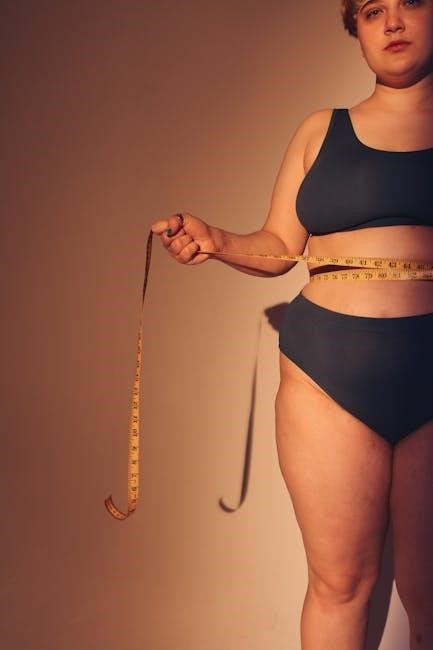
Navigating the world of apparel requires understanding that sizing isn’t uniform; variations exist across brands and regions, impacting fit and satisfaction significantly․
Why Standard Sizes Aren’t Always Standard
The illusion of “standard” sizing in clothing is a complex issue stemming from historical practices and a lack of universal regulation․ Originally, sizing was based on average body measurements, but these averages shift over time due to changes in population demographics and lifestyle․
Furthermore, vanity sizing – the practice of labeling clothes with smaller sizes than they actually are – is prevalent, aiming to appeal to consumer preferences․ This creates inconsistencies between brands, as each may define a “size 8” differently․ Manufacturing variations, differing fabric compositions, and design styles also contribute to size discrepancies․
Consequently, relying solely on a number is often misleading; accurate measurements and understanding individual brand size charts are crucial for finding well-fitting garments․ The industry lacks a centralized, enforced standard, perpetuating this ongoing challenge for consumers․
The Importance of Accurate Measurements
Prioritizing accurate body measurements is paramount when shopping for clothing, especially online where trying on isn’t possible․ Relying on past sizes can be unreliable due to vanity sizing and weight fluctuations․ Taking precise measurements – chest, waist, hips, and inseam – provides a personalized baseline for selecting the correct fit․
Consistent measurement technique is key; use a flexible measuring tape, stand naturally, and measure snugly without constricting․ Comparing these measurements to specific brand size charts, rather than generic size guides, significantly increases the likelihood of a successful purchase․
Ignoring this step often leads to frustration, returns, and wasted time․ Accurate measurements empower consumers to confidently navigate sizing inconsistencies and find clothing that flatters their body shape, enhancing both comfort and style․
Understanding Global Sizing Systems
Different countries employ unique sizing standards, creating confusion for international shoppers; understanding these variations – US, UK, European, and Asian – is crucial for a proper fit․
US & Canadian Sizing
Generally, US and Canadian sizing systems align, utilizing numerical sizes for women’s clothing (e․g․, 2, 4, 6) and letter sizes for men’s (S, M, L, XL)․ Women’s sizes often correlate with bust, waist, and hip measurements, though consistency remains a challenge․ For dresses, sizes typically range from 2 to 16 or larger․
Men’s sizes are based on neck and sleeve length for shirts, and waist and inseam for pants․ Standard men’s pant waist sizes increment by two inches, while inseam lengths vary․ It’s important to note that “vanity sizing” – where brands label items with smaller sizes than actual measurements – is prevalent, leading to discrepancies․ Always consult specific brand size charts, as these can differ significantly․ Canadian sizing largely mirrors the US system, simplifying cross-border shopping․
UK Sizing
The United Kingdom employs a sizing system distinct from US and European standards․ Women’s clothing sizes are typically numerical, starting at 8 and increasing from there (8, 10, 12, etc․)․ These numbers generally correspond to smaller measurements than their US counterparts – a UK 12 is roughly equivalent to a US 8․ Men’s sizes utilize chest measurements in inches, often denoted as 38R, 40R, and so on, with ‘R’ indicating regular fit․
Trouser waist sizes are given in inches, similar to the US, but with a different baseline․ UK sizing can be particularly confusing due to historical variations and brand-specific adjustments․ Always prioritize checking individual retailer size guides․ Furthermore, the term “dress size” can vary even within the UK, so precise measurements are crucial for online purchases․
European Sizing
European clothing sizes utilize a numerical system, but unlike the UK, it’s generally more consistent across countries within the region․ Women’s sizes typically start at 36 and increase incrementally (36, 38, 40, etc․)․ This system differs significantly from US sizing; a European 38 often equates to a US size 6-8․ Men’s sizes are often indicated by centimeters representing chest circumference, or by a numerical system similar to the women’s, though less standardized․
Trouser waist sizes are commonly expressed in centimeters․ It’s vital to remember that European sizing can still vary between brands, particularly with Italian and French labels․ Consulting a specific brand’s size chart is always recommended to ensure an accurate fit․ Conversion charts are readily available online, but individual measurements remain the most reliable approach․
Australian & New Zealand Sizing
Australian and New Zealand sizing largely mirrors the UK sizing system, making conversions relatively straightforward for shoppers familiar with British standards․ Women’s sizes are indicated numerically (8, 10, 12, etc․), while men’s sizes use chest measurements in inches․ However, subtle variations can occur between brands, so relying solely on size numbers isn’t always sufficient․
It’s crucial to note that Australian and New Zealand sizing can sometimes differ slightly from UK sizing, particularly in contemporary fashion brands․ Always check the specific brand’s size guide, as some may adopt more international standards․ When shopping online, paying attention to detailed product descriptions and customer reviews can provide valuable insights into the fit․ Accurate body measurements are key to avoiding sizing mishaps․
Asian Sizing (Japan, Korea, China)
Asian sizing, particularly from Japan, Korea, and China, generally runs smaller than Western sizes – often one to two sizes smaller․ This difference stems from variations in body measurements and manufacturing standards․ Sizes are frequently displayed in centimeters (cm) rather than inches, requiring conversion for those accustomed to imperial measurements․
It’s vital to meticulously review each brand’s size chart, as discrepancies exist even within Asia․ Korean sizing tends to be slightly larger than Japanese or Chinese sizing․ When purchasing online, prioritize checking customer reviews for feedback on fit․ Consider ordering one or two sizes up from your usual Western size to accommodate the smaller cuts․ Detailed measurements are paramount to ensure a proper fit and minimize returns․
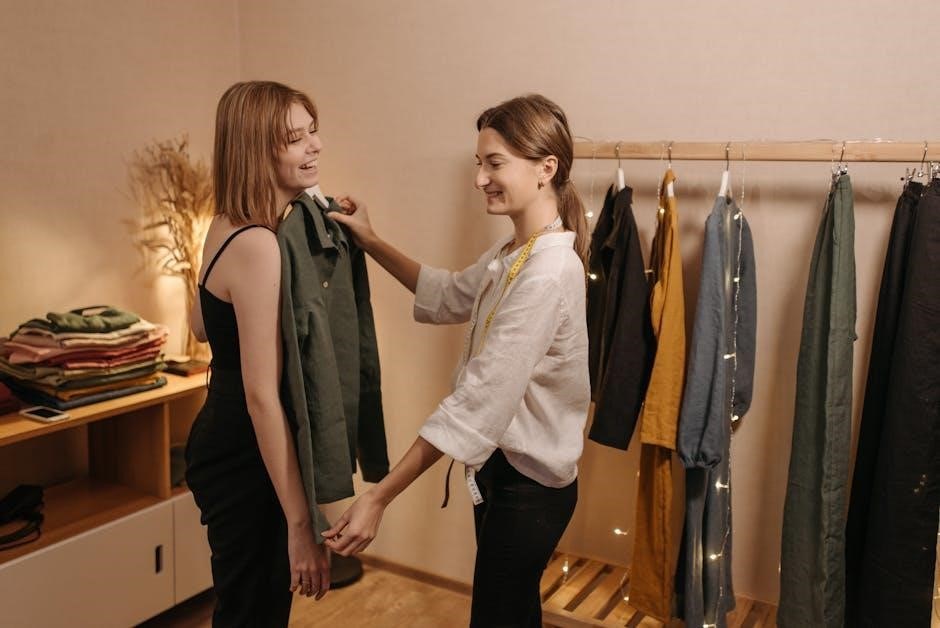
Key Measurements for Clothing
Accurate body measurements – chest, waist, hips, inseam, and sleeve length – are fundamental for selecting the correct clothing size and achieving a flattering fit․
Chest/Bust Measurement
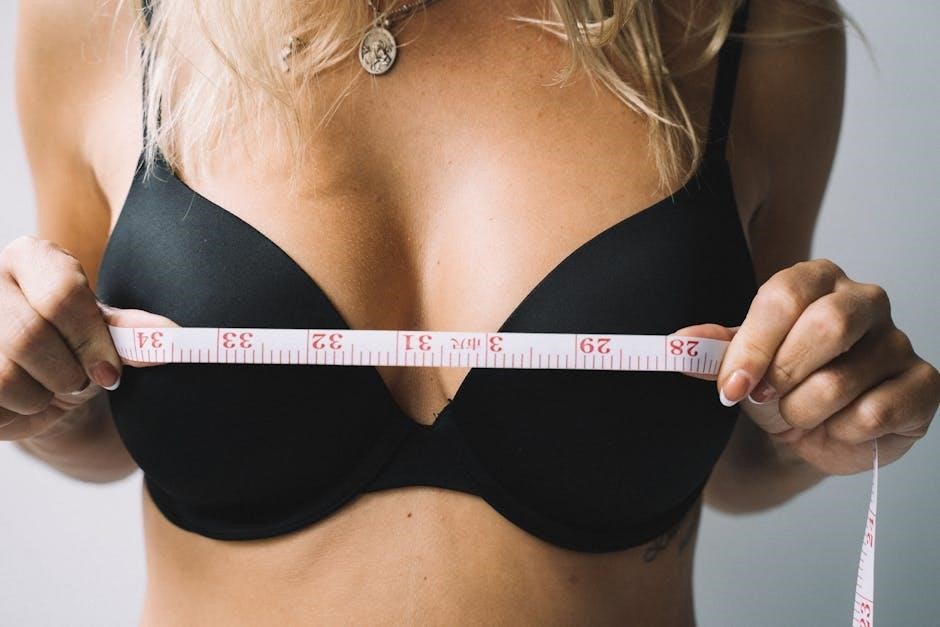
For women, the bust measurement is crucial for tops, dresses, and outerwear․ Measure around the fullest part of the bust, keeping the tape measure level and comfortably snug, but not tight․ Ensure you’re wearing a properly fitted bra during measurement for accuracy․
For men, the chest measurement is taken around the fullest part of the chest, under the armpits, and across the shoulder blades․ Maintain a relaxed posture and breathe normally while measuring․
Important considerations: Different clothing styles require different fits․ A fitted garment will need a closer measurement than a looser, more relaxed style․ Always consult the specific brand’s size chart, as chest/bust sizes can vary significantly․ Round up to the nearest inch if your measurement falls between sizes, especially for fitted items․ Consider whether you prefer a looser or more tailored fit when selecting your size․
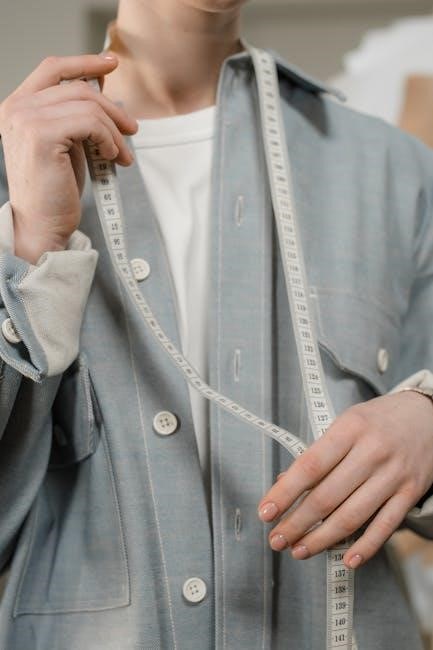
Waist Measurement
Accurately determining your waist size is vital for pants, skirts, dresses, and some tops․ Locate your natural waistline – typically the narrowest part of your torso, or about an inch above your belly button․ Stand naturally and breathe normally while measuring․
Keep the tape measure comfortably snug, not tight, and level all the way around your waist․ Avoid sucking in your stomach or pulling the tape too tightly, as this will result in an inaccurate measurement․
Consider the rise of pants or skirts when selecting a size․ High-waisted styles require a more precise waist measurement, while low-rise styles may allow for a slightly looser fit․ Always refer to the brand’s specific size chart, as waist sizes can differ․ If your measurement falls between sizes, it’s generally best to size up for comfort, especially in fitted styles․
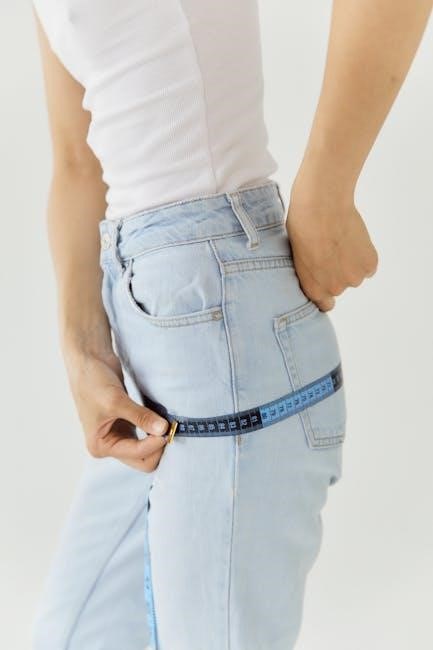
Hip Measurement
Determining your hip measurement is crucial for accurately sizing bottoms like pants, skirts, and dresses, ensuring a comfortable and flattering fit․ Stand with your feet together and measure around the fullest part of your hips and buttocks․
Ensure the measuring tape is level and comfortably snug against your skin, avoiding pulling it too tightly or compressing the area․ It’s important to maintain a natural posture while measuring; do not suck in your stomach or alter your stance․
Compare your measurement to the brand’s size chart, noting that hip sizes can vary significantly between manufacturers․ If your measurement falls between sizes, consider the garment’s style – a more fitted style may require sizing up, while a looser style might allow for the smaller size․ Accurate hip measurement contributes to a better overall fit and confidence․
Inseam Measurement (Pants)
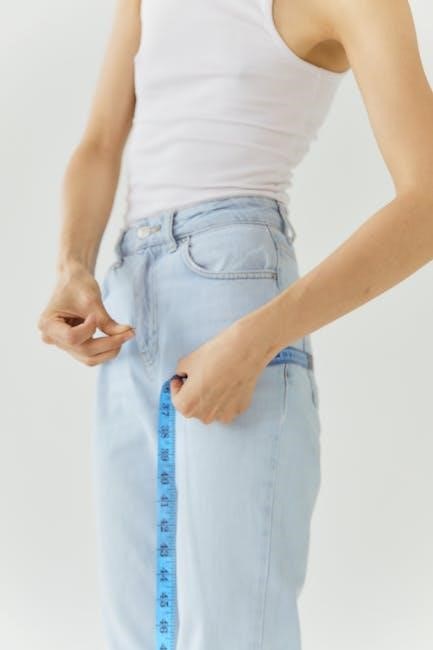
Accurately measuring your inseam is vital for achieving the perfect pant length, impacting both style and comfort․ The inseam is the distance from your crotch to the bottom of your ankle, determining how the pants will fall on your shoes․
The best way to measure is to use a flexible measuring tape while wearing shoes similar to those you’ll pair with the pants․ Have someone assist you, or carefully measure a well-fitting pair of pants you already own, measuring along the inner seam․
Alternatively, stand with your back against a wall and measure from your crotch down to the floor․ Remember to account for shoe height! Compare your measurement to the brand’s size chart, as inseam lengths vary․ Consider whether you prefer a break (a slight fold at the ankle) or a more cropped length․
Sleeve Length Measurement
Determining the correct sleeve length is crucial for a polished look in shirts, jackets, and coats․ Sleeve length impacts overall proportion and comfort, preventing sleeves from being too short or overly long․
To measure, stand with your arm slightly bent and relaxed․ Measure from the center back of your neck, over your shoulder, and down to your wrist bone․ It’s best to have assistance for accuracy․
Consider the garment style; a tailored shirt will have a different sleeve length than a casual jacket․ Refer to the brand’s specific size chart, as sleeve lengths vary significantly․ A slight break at the wrist is generally preferred for shirts, while jackets may have longer sleeves depending on the fashion․
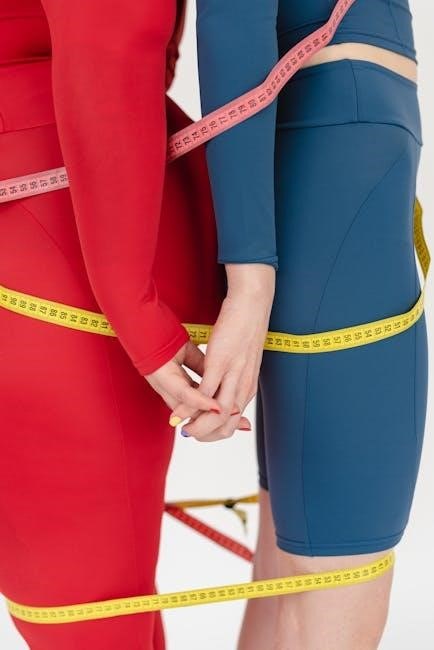
Specific Clothing Size Charts
Detailed charts for women, men, and children provide crucial measurements, ensuring a better fit and reducing returns due to incorrect sizing choices․
Women’s Clothing Size Guide
Understanding women’s sizing involves several key measurements, often varying significantly between brands and retailers․ Typically, sizes range from 0 to 24W, but these numbers don’t always correlate directly․ A crucial measurement is bust size, taken around the fullest part of the chest․ Waist measurement is taken at the narrowest point, while hip measurement is taken at the fullest part of the hips․
Standard size charts often convert these measurements into letter sizes (XS, S, M, L, XL, etc․), but these can also be inconsistent․ It’s vital to consult each brand’s specific chart, as a size 8 in one store might fit differently in another․ Furthermore, consider body shape; some brands cater to specific body types, like petite or plus-size․ Online size calculators can offer a starting point, but professional tailoring ensures the best fit․
Always check inseam measurements for pants and dresses, and sleeve length for tops and jackets․ Remember that sizing can also differ between countries, so international shoppers should pay close attention to conversion charts․
Men’s Clothing Size Guide
Navigating men’s clothing sizes requires attention to chest, waist, and inseam measurements․ Standard sizes typically range from XS to XXL, with numerical sizes also common (e․g․, 30, 32, 34 for waist)․ Chest size is measured around the fullest part of the chest, while waist size is taken at the natural waistline․
Inseam, crucial for pants, is measured from the crotch to the bottom of the leg․ Sleeve length is important for shirts and jackets, measured from the shoulder seam to the wrist․ However, these measurements are merely guidelines; significant variations exist between brands․ A size 32 waist in one brand might feel tighter or looser in another․
Therefore, always consult the specific size chart provided by the retailer․ Consider body type – slim fit, regular fit, or relaxed fit – as this impacts sizing․ Online size calculators can be helpful, but professional tailoring offers the most accurate fit․ Don’t hesitate to check international size conversions when shopping abroad․
Children’s Clothing Size Guide
Children’s clothing sizing is notoriously complex due to rapid growth spurts․ Sizes are often categorized by age (e․g․, 6-12 months, 2T, 4T) but these are approximate․ Measurements are key – chest/bust, waist, and height are crucial․ Unlike adult sizing, children’s sizes don’t always correlate directly with age; a 4-year-old might wear a size 5 or 6․
Pay close attention to brand-specific charts, as variations are significant․ Infant sizes often use months, while toddler and older children’s sizes use “T” designations (toddler) or numerical sizes․ Consider the child’s build – is the child tall and slender, or shorter and stockier?
Always allow room for growth, but avoid buying excessively large items․ Checking return policies is vital, as frequent size changes are common․ Online size calculators can assist, but measuring the child directly provides the most accurate results․
Brand-Specific Size Variations
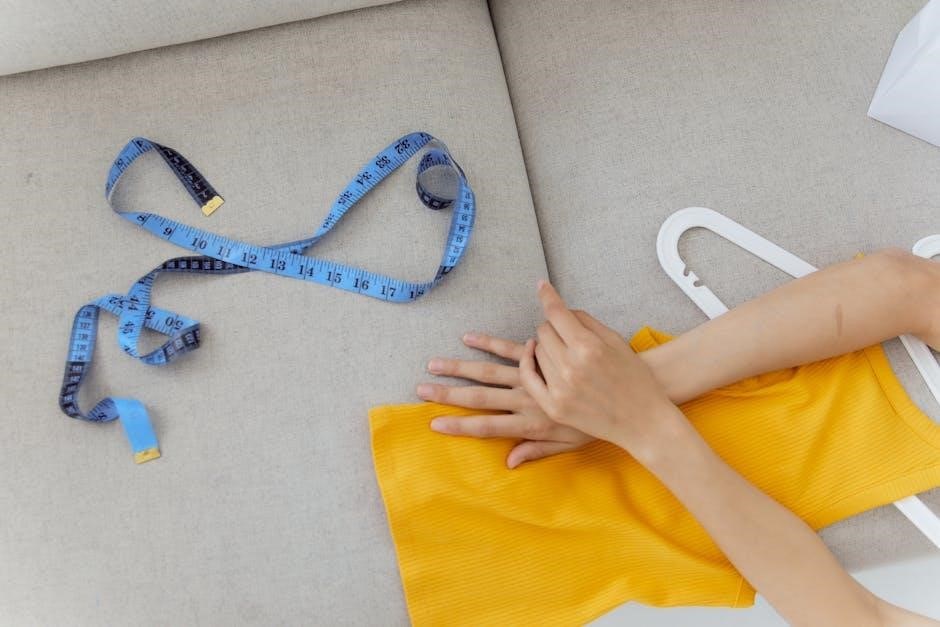
Recognize that sizing differs substantially between manufacturers; consistency is rare, necessitating careful review of each brand’s unique size chart for optimal fit․
Dealing with Inconsistent Sizing
Inconsistent sizing is a pervasive issue within the clothing industry, often leading to frustration for consumers․ Variations stem from differing manufacturing standards, target demographics, and design philosophies employed by each brand․ A size medium in one store might equate to a small or large in another, making online shopping particularly challenging․
To mitigate these issues, avoid relying solely on numerical or letter sizes․ Prioritize detailed measurements – bust, waist, hips, and inseam – and compare them directly to the specific brand’s size chart․ Customer reviews can also provide valuable insights into whether items run true to size, large, or small․ Don’t hesitate to order multiple sizes when possible, especially for crucial items, and return what doesn’t fit․ Understanding return policies is vital․
Remember that sizing can also fluctuate within a single brand across different styles or materials․ A tailored fit often requires adjustments, highlighting the value of a skilled tailor for achieving the perfect look․
Checking Brand Size Charts
Brand-specific size charts are your most reliable tool for accurate clothing selection․ These charts translate body measurements into corresponding garment sizes, varying significantly between manufacturers․ Locate the size chart on the brand’s website, typically found on product pages or within a dedicated “Size Guide” section․
Carefully compare your own measurements – chest/bust, waist, hips, and inseam – to the chart’s dimensions․ Pay attention to whether the chart uses body measurements or garment measurements, as this impacts how you interpret the data․ Note any specific instructions, such as whether to measure with or without undergarments․
Don’t assume consistency; even within a brand, sizing can differ between styles (e․g․, jeans vs․ dresses)․ Some brands offer detailed fit guides, describing the garment’s intended silhouette (slim fit, relaxed fit, etc․)․ Utilize these resources to anticipate the overall fit and choose accordingly․
Resources for Finding Your Size
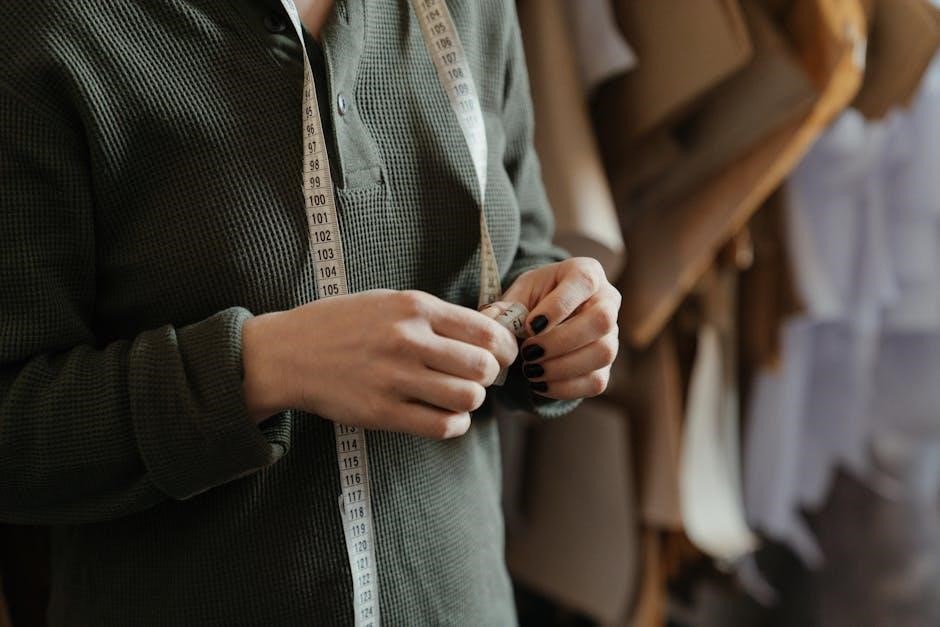
Utilize online size calculators and consider professional tailor assistance for precise measurements, ensuring optimal fit and minimizing returns when purchasing apparel․
Online Size Calculators
Numerous websites offer convenient online size calculators designed to estimate your clothing size based on your body measurements․ These tools typically request key measurements like chest, waist, hips, and inseam, then cross-reference them with brand-specific size charts․ While incredibly helpful as a starting point, remember these calculators provide estimates․
Accuracy can vary depending on the calculator’s algorithm and the specificity of the data it uses․ Some calculators are general, while others are tailored to particular brands like The North Face or Patagonia, offering potentially more precise results․ GrivetOutdoors․com is an example of a resource providing size charts for various outdoor brands․
Always double-check the results against the specific brand’s size chart before making a purchase, as sizes can differ significantly․ It’s also wise to read customer reviews, as they often mention whether an item runs true to size, large, or small․ Don’t rely solely on the calculator; consider it a helpful guide, not a definitive answer․
Professional Tailor Assistance
For the most accurate fit, especially for important garments or those requiring precise tailoring, consulting a professional tailor is invaluable․ A skilled tailor can take precise body measurements, accounting for individual body shapes and posture – something online calculators simply cannot do․
They can also advise on the best styles and fabrics to flatter your figure and ensure a comfortable, well-fitting garment․ A tailor’s expertise extends beyond simply determining your size; they can identify potential fit issues and suggest alterations to achieve a perfect result․
Consider this option particularly for suits, coats, or any clothing where a precise fit is crucial․ A tailor, like those found on Swanston Street in Australia, can expertly adjust clothing, ensuring it complements your body and provides a polished look․ This investment often surpasses the convenience of online tools, delivering superior results․