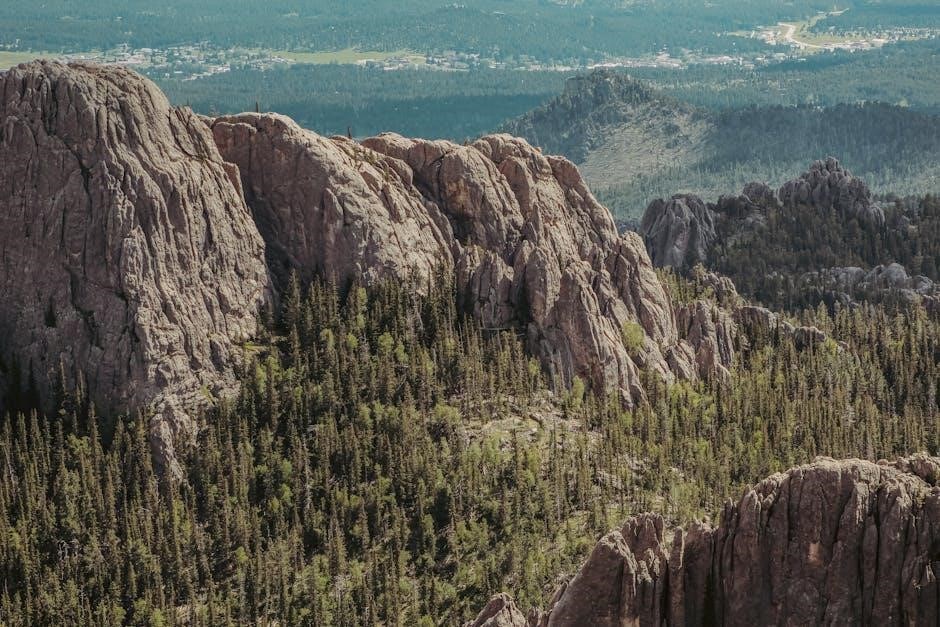
Custer State Park Trail Guide: An Overview
Custer State Park boasts diverse hiking trails, from easy loops to challenging ascents, offering stunning South Dakota scenery for all skill levels.
Explore iconic landmarks like Sunday Gulch and Black Elk Peak, alongside lesser-known gems, ensuring an unforgettable outdoor experience.
Custer State Park, a South Dakota gem, invites adventurers to explore its 71,000 acres of dramatic landscapes. Established in 1912, the park preserves the beauty of the Black Hills, offering a haven for wildlife and outdoor enthusiasts.
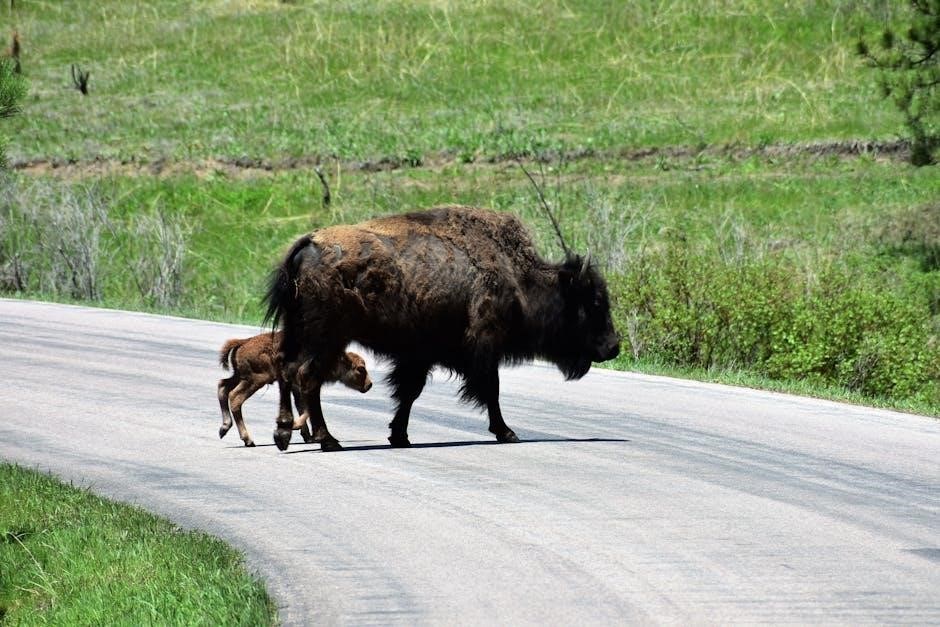
Visitors can expect to encounter bison herds roaming freely, alongside elk, deer, and prairie dogs. The park’s diverse terrain includes granite peaks, forested canyons, and sparkling lakes, creating a picturesque backdrop for hiking, biking, and scenic drives.
With trails catering to all abilities, Custer State Park promises an unforgettable experience immersed in nature’s splendor.
Park History and Geography
Custer State Park’s origins trace back to the Black Hills Forest Reserve, established in 1897. Officially founded in 1912, it was named in honor of Lieutenant Colonel George Armstrong Custer, a prominent figure in the region’s history.
Geographically, the park resides within the southern Black Hills of South Dakota. Dominated by granite formations, ponderosa pine forests, and rolling grasslands, its elevation ranges from 3,200 to 7,244 feet.
This varied topography contributes to a rich biodiversity and provides stunning vistas for hiking and exploration, making it a unique natural treasure.
Popular Hiking Trails
Custer State Park features renowned trails like Sunday Gulch, Cathedral Spires, Lovers Leap, and Lookout Point, attracting hikers with diverse landscapes.
Sunday Gulch Trail
Sunday Gulch Trail is a captivating hiking experience within Custer State Park, known for its dramatic canyon scenery and unique geological formations. This popular trail winds through a narrow gorge, offering shaded pathways and stunning views.
Hikers can expect to navigate rocky terrain and potentially encounter seasonal stream crossings, adding to the adventure. The trail’s diverse ecosystem supports a variety of plant and animal life, making it a haven for nature enthusiasts. It’s a moderately challenging hike, rewarding adventurers with breathtaking vistas.
Difficulty and Length of Sunday Gulch
Sunday Gulch Trail is generally considered a moderate hike, suitable for those with some hiking experience and a reasonable level of fitness. The trail’s length is approximately 3.6 miles (5.8 kilometers) loop, with an elevation gain of around 800 feet (244 meters).
The rocky and uneven terrain, combined with some steep sections, contributes to its moderate difficulty. Allow approximately 3-4 hours to complete the hike comfortably, factoring in time for rest and enjoying the scenery. Proper footwear and hydration are essential for a safe and enjoyable experience.
Notable Features of Sunday Gulch
Sunday Gulch Trail is renowned for its dramatic canyon scenery, carved by centuries of erosion. Hikers traverse through a narrow gorge, surrounded by towering granite cliffs and lush vegetation. Several seasonal waterfalls cascade down the canyon walls, adding to the trail’s beauty, particularly during spring runoff.
Unique rock formations and diverse plant life characterize the area. Keep an eye out for wildlife, including deer and various bird species. The trail offers several viewpoints providing stunning panoramic vistas of the surrounding Black Hills landscape, making it a photographer’s paradise.
Cathedral Spires Trail
Cathedral Spires Trail leads to a collection of striking granite formations resembling cathedral spires, a truly unique geological feature within Custer State Park. The trail winds through ponderosa pine forests, offering shade and scenic views along the way. It’s a moderately challenging hike, rewarding adventurers with breathtaking vistas.
The spires themselves are a popular destination for rock climbing and photography. The surrounding area provides opportunities for wildlife viewing, and the trail is generally well-maintained. Prepare for some elevation gain and rocky terrain during your exploration.
Accessing the Cathedral Spires
Accessing the Cathedral Spires is primarily via the Cathedral Spires Trail, starting from the Sylvan Lake parking area within Custer State Park. The trailhead is clearly marked, and the initial portion of the trail is relatively easy, making it accessible to a wider range of hikers.
Parking can be limited, especially during peak season, so arriving early is recommended. From Sylvan Lake, follow the well-maintained path, gradually ascending towards the impressive granite formations. Allow ample time for the hike, considering the moderate difficulty and potential for exploration.
Geological Significance of the Spires
The Cathedral Spires are remarkable granite formations, sculpted by millions of years of erosion. These dramatic peaks represent remnants of a larger granite mass, exposed through weathering and glacial activity. The granite itself originated from magma deep within the Earth, slowly cooling and solidifying over time.
Their unique shapes and towering presence are a testament to the power of natural forces. Studying these spires provides valuable insights into the geological history of the Black Hills region and the processes that shaped the landscape.
Lovers Leap Trail
Lovers Leap Trail is a moderately challenging hike leading to a dramatic cliff overlooking a picturesque valley. The trail winds through pine forests, offering glimpses of the surrounding landscape. It’s a popular destination for hikers seeking both scenic beauty and a touch of local lore.
The trail’s name originates from a poignant Native American legend of a tragic romance. Today, it remains a captivating spot, drawing visitors with its stunning views and compelling history, making it a memorable experience.
The Legend of Lovers Leap
Lovers Leap derives its name from a heartbreaking Lakota Sioux tale. A young maiden, forbidden to marry her beloved warrior from a rival tribe, chose to leap to her death rather than live apart. Her act of desperation symbolized unwavering love and tragic fate.
Local lore recounts her spirit still watches over the valley, a poignant reminder of a love lost. The story adds a layer of emotional depth to the already breathtaking scenery, captivating visitors with its enduring power.
Trail Conditions and Safety
Lovers Leap Trail presents varied terrain, including rocky sections and steep inclines, demanding sturdy hiking boots and moderate fitness. Weather conditions can change rapidly; check forecasts before heading out and be prepared for sun, wind, and potential thunderstorms.
Wildlife encounters are possible – maintain a safe distance from bison, deer, and other animals. Carry water, snacks, and a first-aid kit. Inform someone of your hiking plans and estimated return time for added safety.
Lookout Point Trail
Lookout Point Trail is a relatively short and accessible path leading to breathtaking panoramic views of the surrounding Black Hills landscape. The trail offers a rewarding experience for hikers of all abilities, showcasing the park’s natural beauty.
From the summit, visitors can admire vast vistas of rolling hills, forested valleys, and distant peaks. It’s an ideal spot for photography and enjoying the tranquility of nature, providing a memorable park highlight.
Panoramic Views from Lookout Point
Lookout Point delivers truly spectacular, sweeping panoramic views of the Black Hills. The vantage point showcases the park’s diverse terrain, including forested valleys and rugged peaks stretching across the horizon.
On clear days, the expansive vistas offer a sense of scale and grandeur, making it a favorite destination for photographers and nature enthusiasts. The unobstructed sightlines provide an immersive experience, capturing the essence of Custer State Park’s beauty.
Accessibility of Lookout Point
Lookout Point is generally considered easily accessible to most visitors, featuring a relatively short and well-maintained trail leading to the viewing area. The path is mostly paved, making it suitable for families with strollers and individuals with limited mobility.
However, a slight incline is present, and some uneven surfaces may pose a challenge for those with significant mobility impairments. Parking is available nearby, though it can fill up quickly during peak season, requiring patience.
Moderate Hiking Options
Custer State Park presents rewarding moderate hikes, like Black Elk Peak and Little Devils Tower, demanding some stamina but offering spectacular views.
Black Elk Peak Trail (formerly Harney Peak)
Black Elk Peak, South Dakota’s highest point, presents a 7.2-mile roundtrip hike, gaining approximately 1,400 feet in elevation. Preparation is key; bring ample water, snacks, and wear sturdy hiking boots.
The trail winds through forested terrain, eventually opening to granite peaks offering panoramic vistas. Historically significant to the Lakota people, Black Elk Peak holds deep cultural importance, originally named Harney Peak, it was renamed in 2016 to honor the Lakota spiritual leader. Respectful exploration of this sacred site is encouraged.
Preparing for the Ascent of Black Elk Peak
Ascending Black Elk Peak demands thorough preparation. Begin with physical conditioning weeks in advance, focusing on cardiovascular fitness and leg strength. Pack layers of clothing, as mountain weather can change rapidly.
Essential gear includes at least two liters of water, high-energy snacks, sunscreen, a hat, and a map. Sturdy hiking boots with ankle support are crucial. Be aware of altitude sickness; ascend gradually and listen to your body. Inform someone of your hiking plans and expected return time for safety.
Historical and Cultural Importance
Black Elk Peak, formerly Harney Peak, holds profound historical and cultural significance for the Lakota people. It’s considered a sacred site, central to their spiritual beliefs and ceremonies for generations. The peak is named after Black Elk, a Lakota holy man, honoring his vision quest experience there.
Understanding this heritage enriches the hiking experience. Respectful behavior is paramount; avoid disturbing any potential sacred areas. Learning about Lakota history and culture adds depth to your appreciation of this majestic landmark and its enduring legacy.
Little Devils Tower Trail
Little Devils Tower Trail presents a relatively short, yet rewarding hike to a unique rock formation resembling its larger Wyoming counterpart. This trail is renowned for exceptional wildlife viewing opportunities; keep an eye out for prairie dogs, bighorn sheep, and various bird species inhabiting the surrounding grasslands.
The trail terrain is moderately challenging, featuring some rocky sections and gentle inclines. Hikers should be prepared for varied conditions and wear appropriate footwear. It’s a fantastic option for a shorter excursion with stunning views and potential wildlife encounters.
Wildlife Viewing Opportunities
Custer State Park is a haven for diverse wildlife, offering incredible viewing opportunities along many trails. Bison and elk are frequently spotted grazing in the valleys, while pronghorn antelope roam the open plains. Keep a watchful eye for mule deer and white-tailed deer browsing near forested areas.
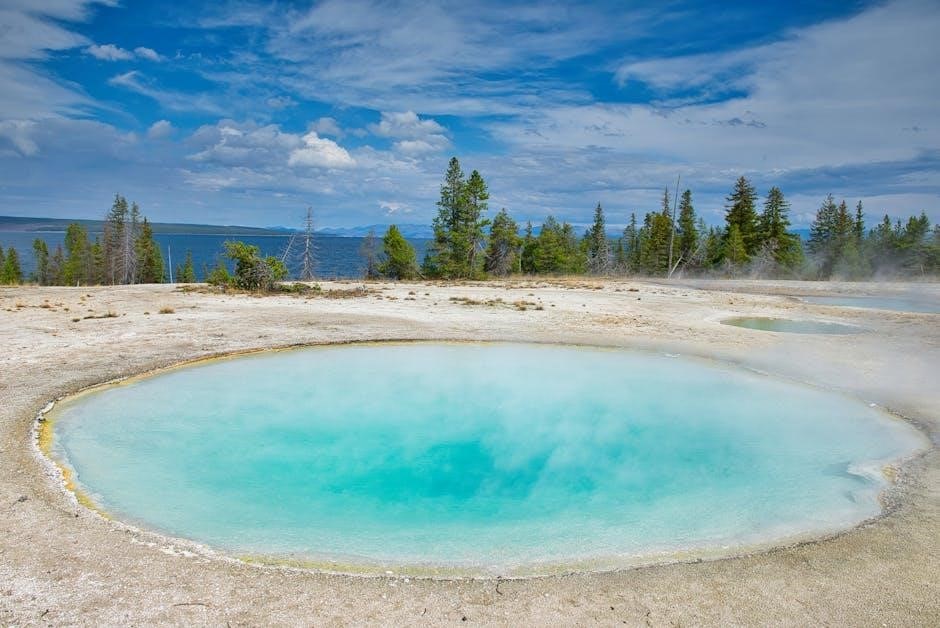
Birdwatchers will delight in the variety of species, including raptors soaring overhead. Remember to maintain a safe distance from all animals and never approach or feed them. Bring binoculars for enhanced viewing and capture memorable moments responsibly.
Trail Terrain and Challenges
Little Devils Tower Trail presents a varied terrain, transitioning from relatively flat grasslands to rocky, uneven sections as you approach the tower itself. The trail includes some moderate elevation gain, demanding a reasonable level of fitness. Loose gravel and exposed roots can create footing challenges, requiring sturdy hiking boots and careful steps.
Be prepared for potential exposure to the sun and wind, especially on the higher portions of the trail. Weather conditions can change rapidly, so check the forecast before heading out and dress accordingly.
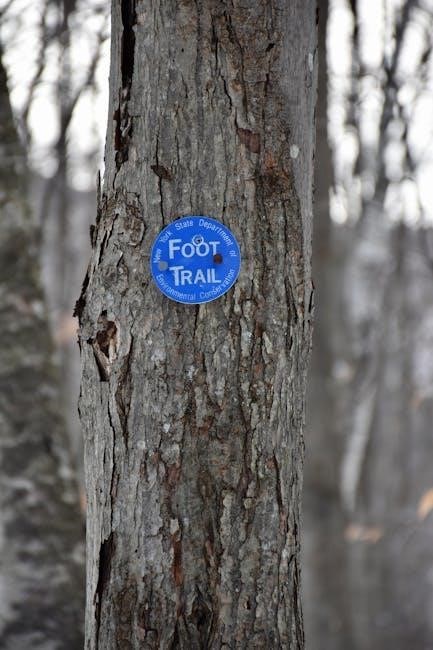
Easy & Family-Friendly Trails
Custer State Park offers gentle trails perfect for families and casual hikers, showcasing beautiful scenery with minimal elevation gain and shorter distances.
Sylvan Lake Loop Trail

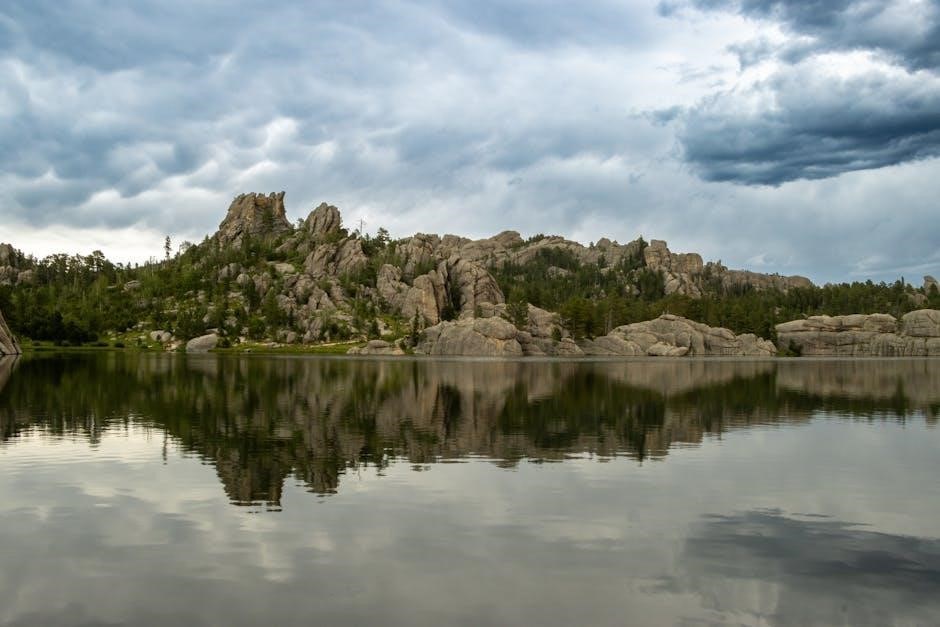
Sylvan Lake Loop Trail is a remarkably accessible 1.7-mile path encircling the picturesque Sylvan Lake, making it ideal for families and those seeking a relaxed hike. The trail features mostly level terrain with some gentle undulations, offering stunning views of the lake and surrounding granite formations;
Visitors can enjoy various Sylvan Lake activities, including swimming, fishing, and picnicking, enhancing the overall experience. The trail’s well-maintained path and captivating scenery create a memorable outdoor adventure, perfect for all ages and abilities; Expect to encounter diverse wildlife and vibrant wildflowers along the way.
Sylvan Lake Activities
Sylvan Lake provides a wealth of recreational opportunities beyond hiking, catering to diverse interests. Swimming is popular in the designated areas during warmer months, offering refreshing relief. Anglers can try their luck fishing for trout in the clear waters, requiring a valid South Dakota fishing license.
Picnicking is readily enjoyed with several designated picnic areas surrounding the lake, perfect for a relaxing meal. Kayaking and canoeing are also permitted, allowing visitors to explore the lake’s serene beauty from a unique perspective. Rock climbing opportunities exist near the lake for experienced climbers.
Trail Features and Scenery
The Sylvan Lake Loop Trail showcases remarkable geological formations and lush landscapes. Towering granite cliffs surround the lake, creating a dramatic backdrop for hikers. Dense forests of pine and spruce provide shade and a sense of tranquility along the trail.
Wildflowers bloom abundantly in the spring and summer, adding vibrant colors to the scenery. The trail offers numerous viewpoints overlooking the lake, providing picturesque photo opportunities. Keep an eye out for local wildlife, including deer, birds, and occasionally, bison in the surrounding areas.
Needles Highway Trails
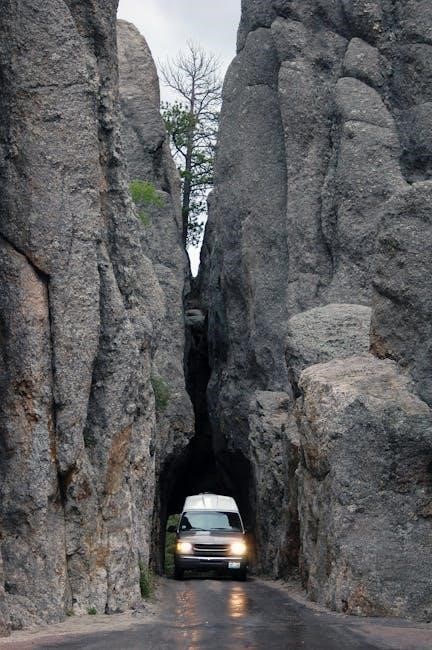
Needles Highway presents a unique hiking experience amidst towering granite spires and narrow tunnels. Several short trails branch off the highway, offering access to explore these incredible rock formations up close. The trails wind through ponderosa pine forests and open meadows, providing diverse scenery.
These hikes are ideal for families and those seeking less strenuous options. Expect stunning views and opportunities for wildlife spotting. Remember to check trail conditions before heading out, as some areas may be rocky or uneven.
Exploring the Needles Formations
Needles Highway’s namesake granite formations are a geological marvel, sculpted by erosion over millions of years. Hiking allows intimate exploration of these towering spires, offering unique perspectives and photo opportunities. Trails weave between the needles, revealing hidden canyons and panoramic vistas.
Observe the diverse plant life clinging to the rocks and keep an eye out for wildlife; The formations create a dramatic landscape, showcasing the power of nature. Remember sturdy footwear is essential for navigating the rocky terrain.
Short Hikes Along Needles Highway
Needles Highway presents several accessible short hikes perfect for families or those seeking a quick nature escape. The Roughlock Falls Trail is a popular choice, leading to a beautiful cascading waterfall. Cave Hollow Trail offers a glimpse into unique geological features.
These trails provide stunning views without demanding strenuous effort. Pack water and snacks, and be prepared for varying weather conditions. Enjoy the dramatic scenery and the opportunity to connect with nature along this scenic byway.
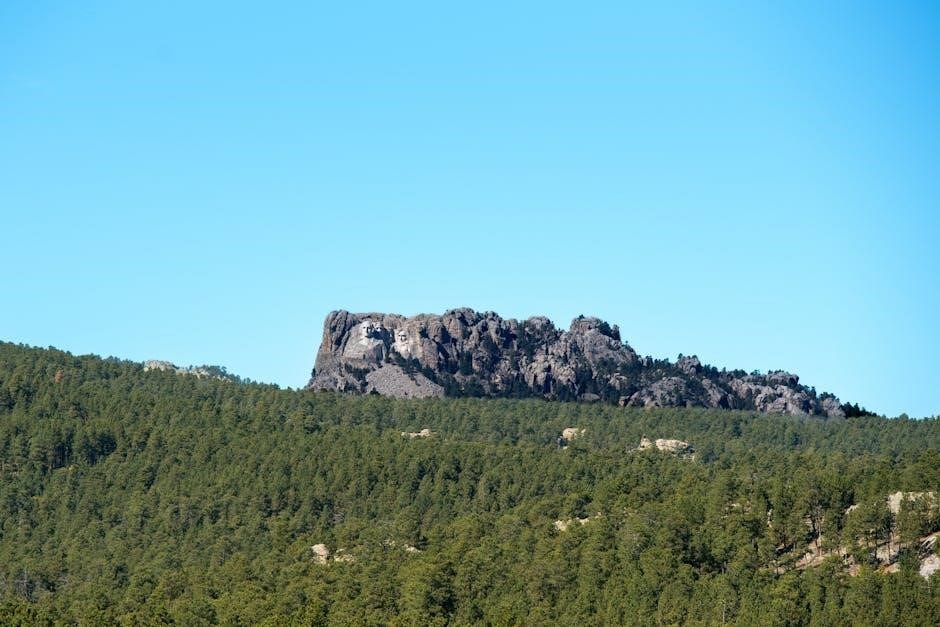
Trail Planning & Safety
Prior planning is crucial for a safe Custer State Park hike! Pack essentials, check weather forecasts, and be aware of wildlife encounters.
Always practice Leave No Trace principles to preserve the park’s natural beauty for future generations.
Essential Gear for Hiking in Custer State Park
Hiking in Custer State Park demands preparation! Sturdy hiking boots are paramount, providing ankle support on varied terrain. Pack layers of clothing – conditions can shift rapidly, even in summer. A water bottle or hydration reservoir is vital, alongside high-energy snacks like trail mix or energy bars.
Don’t forget sunscreen, a hat, and sunglasses for sun protection. A first-aid kit, including blister treatment, is essential. A map and compass (and the knowledge to use them!) or a GPS device are crucial for navigation. Consider bear spray, especially in areas with known bear activity, and a headlamp or flashlight for unexpected delays;
Wildlife Safety Considerations
Custer State Park is abundant with wildlife! Maintain a safe distance from all animals – bison, elk, deer, and especially bears and mountain lions. Never approach or feed wildlife; this habituates them to humans and can be dangerous. Store food securely in bear-resistant containers or hang it properly.
Make noise while hiking to avoid surprising animals. Carry bear spray and know how to use it. Be aware of your surroundings, especially at dawn and dusk. Report any aggressive wildlife encounters to park authorities immediately. Respect their space, and enjoy observing them from afar!
Leave No Trace Principles
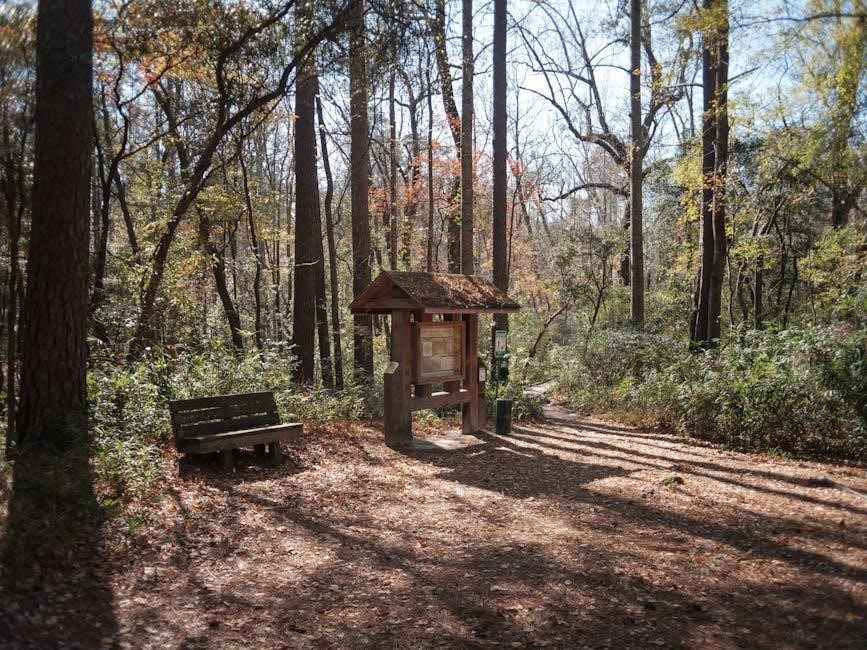
Custer State Park’s beauty depends on responsible visitors! Practice “Leave No Trace” ethics: plan ahead and prepare, travel and camp on durable surfaces, dispose of waste properly (pack it out!). Minimize campfire impacts – use established fire rings or stoves. Respect wildlife, and be considerate of other visitors.
Leave what you find, and avoid introducing invasive species. By following these principles, you help preserve the park’s natural integrity for future generations. Protect the delicate ecosystem and ensure a pristine experience for everyone who visits this remarkable landscape.

Park Resources & Information
Visitor centers offer maps, trail info, and ranger assistance. Permits may be needed for certain activities; check current fees and regulations online before your visit.
Visitor Centers and Maps
Custer State Park provides several visitor centers strategically located to enhance your experience. The main Visitor Center near the State Game Lodge offers comprehensive information, exhibits detailing park history and wildlife, and knowledgeable park rangers ready to assist with trail recommendations and safety advice.
Additional information stations are found at Sylvan Lake and the Wildlife Loop Road. Detailed maps of the park, including trail systems, are available at all centers, as well as online through the South Dakota Game, Fish and Parks website. These maps are crucial for planning your hikes and understanding trail difficulty levels.
Permits and Fees
Custer State Park requires a park entrance license, which can be purchased online, at the park’s entrance stations, or from authorized vendors. Daily, weekly, and annual licenses are available, catering to various visit durations. A permit is generally not required for day hiking, but camping and certain specialized activities necessitate reservations and associated fees.
These fees contribute to park maintenance, wildlife management, and the preservation of natural resources. It’s advisable to check the official South Dakota Game, Fish and Parks website for the most current fee schedule and reservation procedures before your visit to ensure a smooth experience.