
A․O․ Smith Electric Water Heater Manual PDF: A Comprehensive Guide
Discover essential guidance for your A․O․ Smith electric heater‚ including installation‚ operation‚ troubleshooting‚ and maintenance – all conveniently available in PDF format․

Understanding Your A․O․ Smith Electric Water Heater
Your A․O․ Smith electric water heater is a sophisticated appliance designed for reliable and efficient hot water delivery․ This manual serves as a crucial resource‚ detailing everything from basic operation to advanced troubleshooting․ Familiarizing yourself with its components – the tank‚ heating elements‚ thermostats‚ and control panel – is paramount for safe and optimal performance․
Understanding the principles of operation‚ including how the heating elements interact with the thermostats to maintain desired water temperature‚ will empower you to address minor issues and maximize energy savings․ This guide also covers essential safety precautions‚ ensuring both your well-being and the longevity of your water heater․ Proper care and maintenance‚ as outlined within‚ are key to preventing costly repairs and extending its lifespan․
Safety Precautions & Warnings
Prioritize safety when installing‚ operating‚ and maintaining your A․O․ Smith electric water heater․ Always disconnect the power supply at the breaker before performing any service or inspection․ Never attempt repairs if you are not a qualified technician․ Scalding hazards exist – exercise caution when drawing hot water․
Ensure proper ventilation to prevent the buildup of flammable vapors; Do not store flammable materials near the unit․ Regularly inspect for leaks and address them promptly․ This appliance is designed for indoor use only․ Improper installation or modification can void the warranty and create dangerous conditions․ Adhering to these warnings ensures safe operation and prevents potential injury or property damage․
Component Identification
Familiarize yourself with the key components of your A․O․ Smith electric water heater․ These include the tank‚ responsible for water storage‚ and the insulation‚ which minimizes heat loss․ The heating elements efficiently warm the water‚ controlled by thermostats for precise temperature regulation․

The control panel provides user interface for settings․ Understand the function of the anode rod‚ crucial for corrosion protection․ Locate the temperature and pressure relief valve‚ a vital safety feature․ Knowing these components aids in troubleshooting and maintenance‚ ensuring optimal performance and longevity of your water heating system․
Tank & Insulation
The water heater tank‚ typically constructed from steel‚ stores the heated water for use․ Its capacity varies based on model‚ influencing hot water availability․ Insulation surrounding the tank is critical; it minimizes standby heat loss‚ enhancing energy efficiency and reducing operating costs․

A․O․ Smith employs various insulation materials‚ like foam‚ to maximize thermal retention․ Inspect the tank for any signs of corrosion or damage․ Proper insulation ensures consistent water temperature and extends the lifespan of your water heater․ Regular checks contribute to optimal performance and prevent potential issues․

Heating Elements & Thermostats
Electric water heaters utilize heating elements submerged within the tank to warm the water․ These elements convert electrical energy into heat․ Thermostats precisely control water temperature by regulating the power supplied to the heating elements․ A․O․ Smith models often feature multiple thermostats for redundancy and consistent heating․
Understanding their function is crucial for troubleshooting․ Inspect elements for scale buildup‚ which reduces efficiency․ Thermostats may require calibration or replacement over time․ Proper functioning ensures safe and efficient water heating‚ maintaining desired temperatures and preventing overheating․ Always disconnect power before inspecting these components․
Control Panel Overview
A․O․ Smith electric water heater control panels vary by model‚ but generally include temperature adjustment dials‚ power indicators‚ and potentially diagnostic lights․ Some advanced models feature digital displays for precise temperature settings and error code reporting․ Understanding the panel’s functions is key to efficient operation․
The temperature dial allows users to set the desired water temperature․ Indicator lights confirm power status and heating element activity․ Diagnostic lights signal potential issues‚ prompting troubleshooting․ Refer to your specific model’s manual for detailed explanations of all control panel features and their corresponding functions․ Always exercise caution when interacting with electrical components․
Installation Guide (Brief Overview ⸺ Refer to Separate Installation Manual)
Proper installation is crucial for safe and efficient operation․ This guide provides a brief overview; always consult the dedicated installation manual for detailed instructions specific to your A․O․ Smith model․ Key steps include selecting a suitable location‚ ensuring adequate electrical supply‚ and connecting water lines correctly․
Professional installation is highly recommended‚ especially for those unfamiliar with plumbing and electrical work․ Incorrect installation can lead to leaks‚ electrical hazards‚ or void the warranty․ The separate manual details specific requirements for grounding‚ pressure relief valve installation‚ and adherence to local codes․ Prioritize safety and follow all guidelines meticulously․
Operating Instructions
Your A․O․ Smith electric water heater is designed for reliable performance with minimal user intervention․ After installation‚ allow sufficient time for the tank to fill completely before initial use․ Familiarize yourself with the control panel to adjust temperature settings according to your household needs and preferences․
Regular monitoring ensures optimal efficiency․ Utilize features like ‘Vacation Mode’ when away for extended periods to conserve energy․ Avoid exceeding the maximum pressure and temperature limits specified in the manual․ Understanding these basic operating principles will maximize your heater’s lifespan and provide consistent hot water supply․
Initial Startup Procedure
Before first use‚ verify the water heater is correctly installed and all connections are secure․ Slowly open the cold water supply valve‚ allowing the tank to fill completely – this may take some time․ Once full‚ open a hot water faucet somewhere in the house to release any trapped air․
Monitor for leaks around all connections․ After the air is purged‚ turn on the electrical power to the heater․ Allow several hours for the water to reach the desired temperature․ Check the temperature at the hot water faucet to confirm proper operation․ Refer to the manual for specific temperature settings․
Temperature Adjustment
Adjusting the water temperature is done via the thermostat controls‚ typically located behind access panels on the water heater․ Caution: Always disconnect power before accessing these controls! Each element has its own thermostat‚ allowing for independent adjustment․
To increase temperature‚ turn the adjustment dial clockwise; to decrease‚ turn counterclockwise․ A recommended setting is 120°F (49°C) to balance comfort and energy efficiency․ Avoid setting temperatures above 140°F (60°C) to prevent scalding․ After adjustment‚ restore power and allow several hours for the new temperature to stabilize․
Vacation Mode & Energy Saving Tips
Prolonged absences benefit from utilizing “Vacation Mode‚” if equipped‚ significantly reducing energy consumption․ This typically lowers the water temperature to a minimal level‚ preventing unnecessary heating․ Alternatively‚ simply turning the water heater off at the circuit breaker achieves a similar result․
For daily savings‚ consider lowering the thermostat setting to 120°F (49°C)․ Insulating the hot water pipes minimizes heat loss during delivery․ Regularly flushing sediment from the tank improves efficiency and extends the heater’s lifespan․ Addressing leaks promptly prevents water and energy waste․
Troubleshooting Common Issues
Encountering problems? This section addresses frequent concerns․ No hot water often indicates a tripped circuit breaker‚ a blown fuse‚ or a faulty heating element – check electrical connections first․ A leaking tank suggests corrosion and may require replacement; do not attempt repairs yourself․ Strange noises‚ like rumbling‚ usually stem from sediment buildup needing flushing․
Before attempting any troubleshooting‚ disconnect power․ Consult the detailed wiring diagrams within the PDF manual for safe procedures․ If issues persist‚ or you’re uncomfortable with electrical work‚ contact a qualified plumber or A․O․ Smith customer support immediately․
No Hot Water
Experiencing a lack of hot water is a common issue․ First‚ verify the circuit breaker hasn’t tripped or a fuse blown – reset or replace as needed․ Check the thermostat setting; ensure it’s not set too low or switched to “off․” A faulty heating element is a frequent culprit; the manual’s wiring diagrams aid in testing․
If the element tests bad‚ replacement is necessary․ Also‚ inspect the high-limit switch‚ which may have tripped․ Refer to the A․O․ Smith PDF manual for specific reset instructions․ Persistent issues suggest a more complex problem requiring professional assistance․
Leaking Tank
A leaking tank is a serious concern‚ potentially indicating corrosion or structural failure․ Immediately shut off the water supply to the heater to prevent further damage․ Inspect the tank’s connections – inlet‚ outlet‚ and drain valve – for obvious leaks; tighten if necessary․
However‚ if the leak originates from the tank itself‚ it usually signifies internal corrosion and requires immediate replacement․ Do not attempt to repair a leaking tank․ Consult the A․O․ Smith manual’s warranty information to determine coverage․ Ignoring a leaking tank can lead to significant water damage and potential hazards․
Strange Noises
Unusual sounds emanating from your A․O․ Smith water heater can indicate various issues․ Popping or rumbling noises often suggest sediment buildup on the heating elements‚ requiring flushing (see Maintenance section)․ Whining sounds might point to a restriction in the water inlet or a faulty heating element․
Ticking noises could be thermal expansion of the tank or pipes․ Consult your A․O․ Smith manual for specific troubleshooting steps related to each sound․ If the noises are loud‚ persistent‚ or accompanied by other problems‚ contact a qualified plumber for inspection and repair – do not ignore potentially serious issues․
Maintenance & Care
Regular maintenance extends the life and efficiency of your A․O․ Smith electric water heater․ Crucially‚ flush the tank annually to remove sediment buildup‚ preventing reduced heating efficiency and potential damage (refer to the Sediment Flushing Procedure)․ Inspect the anode rod every few years; it protects the tank from corrosion and should be replaced when significantly depleted․

Periodic tank cleaning‚ as recommended in the manual‚ helps maintain water quality․ Always disconnect power before performing any maintenance․ Following these simple steps ensures optimal performance and prevents costly repairs‚ safeguarding your investment in a reliable hot water supply․
Sediment Flushing Procedure
To effectively flush sediment‚ begin by turning off the power to the water heater․ Attach a hose to the drain valve located near the tank’s bottom․ Direct the hose to a safe drainage area․ Slowly open the drain valve‚ allowing sediment to exit․
Periodically open and close the valve to dislodge stubborn buildup․ Flush until the water runs clear․ Caution: water may be hot! Close the drain valve securely and refill the tank before restoring power․ This annual procedure prevents reduced efficiency and extends the heater’s lifespan․
Anode Rod Inspection & Replacement
The anode rod protects the tank from corrosion; regular inspection is crucial․ Turn off power and water supply before accessing the rod‚ typically located on top of the heater․ Carefully remove the old rod – it may be difficult if heavily corroded․
Inspect the rod; if significantly depleted (less than 6 inches of core wire remaining)‚ replace it with a new one․ Apply Teflon tape to the threads before installation․ This preventative maintenance extends tank life․ Replacement frequency depends on water quality‚ generally every 3-5 years․
Tank Cleaning Recommendations
Sediment buildup reduces efficiency and tank lifespan; periodic cleaning is advised․ First‚ shut off power and water supply‚ then drain the tank completely․ Flush the tank by opening the drain valve and allowing sediment to exit․ For stubborn buildup‚ carefully introduce a hose to dislodge particles․
Avoid harsh chemicals or abrasive cleaners‚ as they can damage the tank lining․ Rinse thoroughly until water runs clear․ Reinstall the drain valve and refill the tank before restoring power․ Regular flushing‚ ideally annually‚ maintains optimal performance and extends the heater’s service life․
Electrical Specifications & Wiring Diagrams

Understanding your water heater’s electrical needs is crucial for safe and efficient operation․ Refer to the manual’s specifications section for voltage‚ wattage‚ and amperage requirements․ Wiring diagrams illustrate proper connections for various configurations‚ including single-phase and three-phase systems․
Always disconnect power before attempting any electrical work․ Ensure wiring complies with local electrical codes and is performed by a qualified electrician․ Incorrect wiring can cause damage‚ fire hazards‚ or void the warranty․ Detailed diagrams show grounding instructions and component placement for secure installation․

Warranty Information
Your A․O․ Smith electric water heater is protected by a comprehensive warranty against defects in materials and workmanship․ The specific warranty period varies depending on the model and component – tank‚ parts‚ and labor are often covered for different durations․ Carefully review the warranty details within your manual’s PDF to understand coverage limitations․
Warranty registration is often required to validate your claim․ Keep your proof of purchase and the model/serial number readily available․ Proper installation and maintenance‚ as outlined in this manual‚ are essential to maintain warranty validity․ Contact A․O․ Smith customer support for warranty claims assistance․
Frequently Asked Questions (FAQ)
Q: Where can I find the model number of my A․O․ Smith water heater? A: It’s typically located on the unit’s rating plate‚ often on the side or top․ Q: How often should I flush the tank? A: We recommend flushing annually to remove sediment․ Q: What does it mean if the water isn’t hot enough? A: Check the thermostat setting and ensure the heating element is functioning․
Q: Is professional installation required? A: While DIY is possible‚ professional installation ensures safety and warranty compliance․ Q: What if my water heater is leaking? A: Immediately shut off the water supply and contact a qualified plumber․ Refer to the full PDF manual for detailed answers․
Finding Your Specific Model Number & Manual
Locating your A․O․ Smith electric water heater’s model number is crucial for accessing the correct manual․ This number is typically found on the unit’s data plate‚ usually affixed to the side or top of the tank․ Once you have the model number‚ visit the official A․O․ Smith website․ Utilize their online manual search tool‚ entering your specific model number to download the corresponding PDF manual․
Alternatively‚ explore online resources like ManualsLib‚ which often hosts a comprehensive collection of A․O․ Smith manuals․ Ensure the manual matches your exact model for accurate information and safety guidelines․ Having the correct manual ensures proper operation and maintenance․
A․O․ Smith Customer Support Contact Information
For direct assistance with your A․O․ Smith electric water heater‚ or if you require a manual not found online‚ their customer support team is readily available․ You can reach them via phone at 1-800-433-2545․ Their website‚ www․aosmith․com‚ provides a comprehensive support section‚ including FAQs and online chat options․
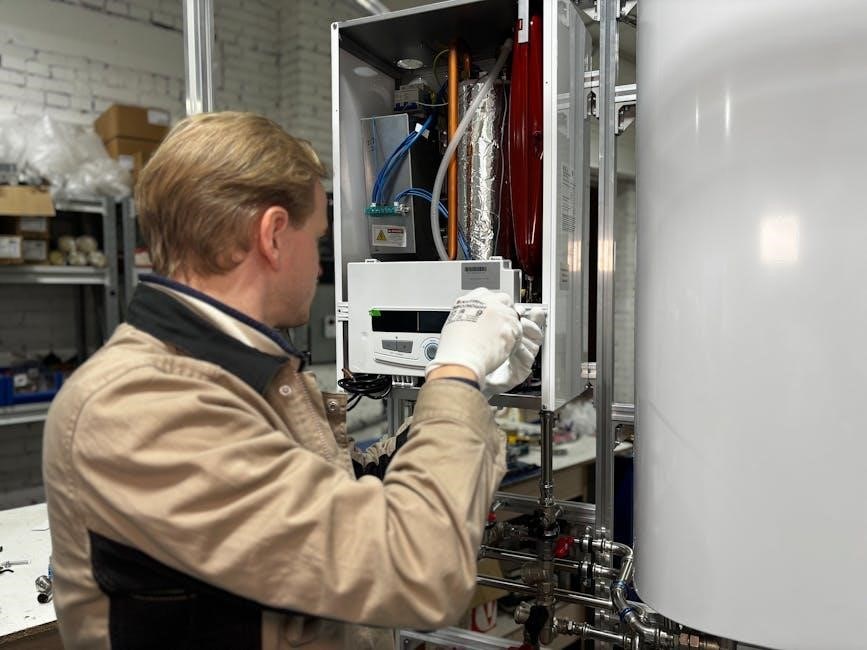
Additionally‚ A․O․ Smith offers support through email and a dedicated contact form on their website․ When contacting support‚ have your model number and date of purchase readily available to expedite the process․ Their knowledgeable representatives can assist with troubleshooting‚ warranty claims‚ and locating the appropriate PDF manual․
Related A․O․ Smith Product Manuals (Gas Water Heaters‚ Boilers)
A․O․ Smith provides a diverse range of heating solutions beyond electric water heaters․ Explore manuals for their atmospherically vented gas water heaters‚ often utilizing thermocouple electrical sources‚ available on platforms like ManualsLib․ Discover resources for power vent gas water heaters featuring hot surface ignition‚ offering alternative heating options․
Furthermore‚ A․O․ Smith’s Genesis line includes hydronic heating boilers‚ supported by detailed engineering and design manuals aiding designers and specifiers․ These manuals quickly address frequently asked questions regarding boiler installation and operation․ Access these resources via the A․O․ Smith website for a complete overview of their product portfolio․