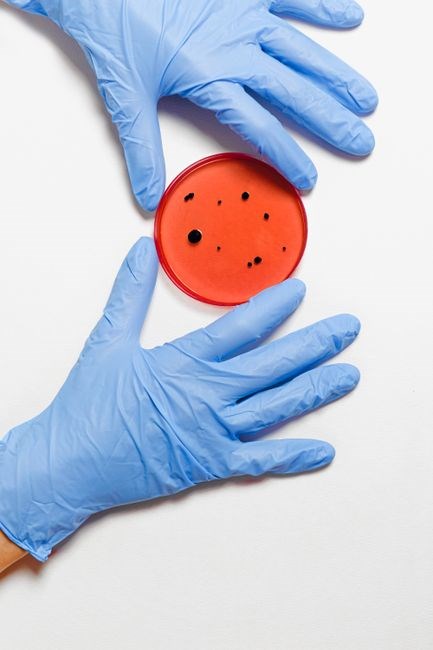
Microbiology explores unseen life, tracing origins, diversity, and impact on health, industry, and environment. It blends biology, chemistry, and physics, revealing mechanisms of disease, symbiosis, and biotechnology. It fuels innovation in science.!
1.1 The Scope and History of Microbiology
Microbiology, the study of microscopic organisms, has evolved from early observations of “animalcules” by Antonie van Leeuwenhoek to a sophisticated discipline encompassing genetics, genomics, and systems biology. Its scope spans bacteria, archaea, viruses, fungi, and protists, each with unique physiology and ecological roles. Historically, the field emerged in the 17th century, driven by advances in microscopy and the germ theory of disease. The 19th century saw the isolation of pure cultures and the development of culture media, while the 20th century introduced antibiotics, vaccines, and molecular techniques such as DNA sequencing. Contemporary microbiology integrates high‑throughput sequencing, CRISPR‑Cas editing, and bioinformatics to unravel microbial communities in health, agriculture, and the environment. Ethical considerations now guide research, ensuring responsible use of genetic tools and addressing antimicrobial resistance. The discipline continues to expand, linking microbial processes to global challenges like climate change, food security, and emerging infectious diseases, thereby underscoring its dynamic, interdisciplinary nature. The integration of omics technologies, such as proteomics and metabolomics, further enriches our understanding of microbial physiology and interactions within complex ecosystems. Moreover, the rise of synthetic biology enables the design of novel microbial strains with tailored functions for bioremediation, biofuel production, and therapeutic delivery. These advances promise transformative impacts across science and society
1.2 Key Milestones in Microbiological Research
Key milestones in microbiology trace a trajectory from the 17th‑century discovery of microscopic life by Antonie van Leeuwenhoek to the formulation of germ theory by Pasteur and Koch. The 19th century introduced culture techniques, enabling isolation of pure bacterial strains and the identification of pathogens. The 20th century witnessed the development of antibiotics, vaccines, and the first bacterial genome sequencing. The advent of electron microscopy in the 1950s revealed viral structures, while the 1970s brought recombinant DNA technology, allowing gene cloning and expression in host cells. The 1990s ushered in high‑throughput sequencing, leading to the Human Microbiome Project and metagenomics, which uncovered vast microbial diversity in previously inaccessible niches. Recent breakthroughs include CRISPR‑Cas genome editing, synthetic biology platforms for designing microbial consortia, and single‑cell omics, which provide unprecedented resolution of microbial function and interaction. These milestones collectively transformed microbiology into a data‑rich, interdisciplinary science that addresses global health, environmental sustainability, and industrial innovation. Its continuous evolution fuels interdisciplinary research and societal progress for tomorrow today.
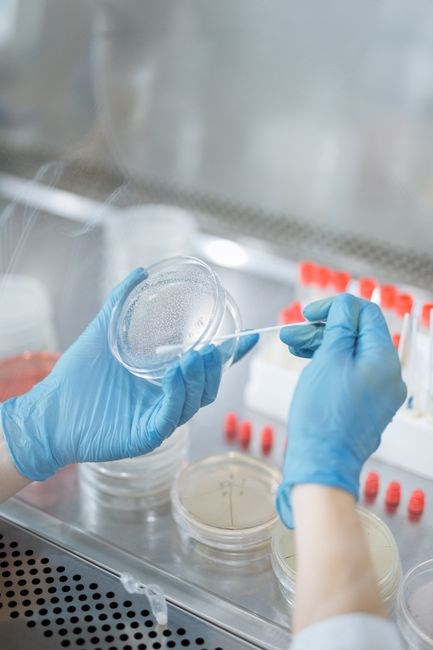
The 5th Edition: An Overview
The 5th edition presents updated chapters, integrating recent discoveries in microbial genetics, advanced imaging, and bioinformatics. It offers clear explanations, case studies, and interactive resources, making it a comprehensive guide for professionals.
In the rapidly evolving field of microbiology, the 5th edition of “Microbiology: An Evolving Science” reflects a concerted effort to synthesize contemporary research with foundational principles. The editorial team, led by Dr. Elena Martinez, a distinguished professor of microbial genetics at the University of Cambridge, brings over three decades of experience in both academia and industry. Her previous work on horizontal gene transfer in pathogenic bacteria has been cited extensively, and she has served on the editorial boards of several high‑impact journals, ensuring rigorous peer review standards. Co‑authors include Dr. Samuel Lee, whose pioneering studies on CRISPR‑Cas systems have reshaped genome editing techniques, and Dr. Aisha Patel, a renowned expert in microbial ecology whose fieldwork in the Amazon rainforest uncovered novel symbiotic relationships. Together, they have collaborated on numerous interdisciplinary projects, integrating bioinformatics, systems biology, and advanced microscopy to provide a holistic view of microbial life. The publication context is shaped by advances,such as single sequencing and resolutionimaging, which have opened avenues for understanding microbial behavior at resolution.
2.2 Structural Organization of the Text
The fifth edition is organized into three major parts, each building upon the previous to guide readers from basic concepts to advanced applications. Part I, “Foundations of Microbial Life,” introduces taxonomy, physiology, and ecological roles, providing a solid base for newcomers. Part II, “Molecular and Cellular Mechanisms,” delves into genetics, genomics, proteomics, and metabolic pathways, featuring case studies that illustrate how molecular insights translate into real‑world solutions. Part III, “Applied Microbiology and Emerging Technologies,” focuses on industrial bioprocessing, clinical diagnostics, environmental remediation, and the latest innovations in synthetic biology and nanotechnology. Each chapter contains concise summaries, key terminology boxes, and thought‑provoking questions to reinforce learning. Interactive elements such as hyperlinks to supplementary datasets, video demonstrations, and downloadable worksheets are embedded throughout, allowing readers to explore concepts beyond the printed page. The book’s layout follows a logical progression, with recurring themes and cross‑references that encourage a deeper understanding of the interconnectedness of microbial systems. Readers will find it engaging!!
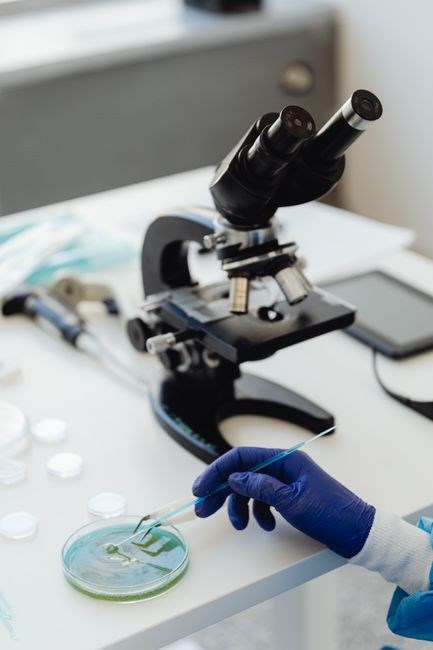
Core Themes in the 5th Edition
Genomics, synthetic biology, CRISPR, single‑cell analysis, microbiome dynamics, AI‑driven diagnostics, and sustainable bioprocessing dominate the edition, linking theory to practice. It covers ethics and future!!
3.1 Advances in Microbial Genetics
Recent breakthroughs in microbial genetics have reshaped our understanding of bacterial and archaeal genomes, enabling precise manipulation and functional annotation. Whole‑genome sequencing now routinely resolves plasmid structures, mobile elements, and horizontal gene transfer events with unprecedented resolution. CRISPR‑Cas systems, once a bacterial defense mechanism, are now versatile tools for genome editing, allowing targeted knockouts, insertions, and base‑editing across diverse species. Synthetic biology platforms integrate genetic circuits that rewire metabolic pathways, producing biofuels, pharmaceuticals, and novel biomaterials. Epigenetic modifications, such as DNA methylation, are mapped using nanopore sequencing, providing insights into networks pathogen interactions.! Machine‑learning models predict gene function and regulatory motifs, accelerating annotation pipelines. These advances collectively empower researchers to dissect microbial physiology, engineer strains for industrial applications, and develop targeted therapeutics, underscoring the dynamic evolution of microbial genetics.
3.2 Emerging Techniques in Microscopy
Advances in high‑resolution imaging now allow visualization of microbial communities in situ with nanometer precision. Structured illumination microscopy (SIM) and lattice light‑sheet microscopy provide rapid, low‑phototoxicity imaging of live bacteria, revealing dynamic processes such as cell division and biofilm formation. Expansion microscopy physically enlarges specimens, enabling conventional microscopes to resolve sub‑cellular structures previously inaccessible. Cryo‑electron tomography (cryo‑ET) reconstructs 3D architectures of viral particles and bacterial organelles at near‑atomic resolution, while serial block‑face scanning electron microscopy (SBF‑SEM) maps entire microbial colonies in three dimensions. Super‑resolution techniques like STORM and PALM surpass diffraction limits, allowing single‑molecule tracking of protein interactions within the crowded cytoplasm. Coupling these optical methods with machine‑learning image analysis accelerates quantitative phenotyping, uncovering subtle phenotypic variations across populations. Integrated microfluidic platforms now permit real‑time manipulation of environmental conditions during imaging, bridging the gap between laboratory observation and natural habitats. Together, these emerging techniques transform microbiology from descriptive to predictive, enabling researchers to interrogate microbial behavior with unprecedented clarity and speed.Enable high‑through screening!
3.3 Bioinformatics and Data Analysis
Bioinformatics is the backbone of the 5th Edition, linking genomics, transcriptomics, proteomics, and metabolomics into unified insights. Next‑generation sequencing pipelines are introduced, covering quality control, assembly, and annotation for Illumina, Nanopore, and PacBio data. Comparative tools such as BLAST, Mauve, and Roary enable pan‑genome studies, phylogenetics, and detection of horizontal gene transfer. Machine‑learning methods predict phenotypes, antimicrobial resistance, and metabolic pathways, with outbreak case studies illustrating practical use. Statistical packages (DESeq2, edgeR) and network tools (WGCNA, Cytoscape) are explained, including normalization and batch‑effect correction. Cloud platforms—Galaxy, Terra, AWS—are highlighted for reproducible, scalable workflows. The chapter also explores integrative multi‑omics frameworks that combine transcriptomic signatures with proteomic abundance to refine functional annotations, and discusses the role of metagenomic assembly tools like MetaSPAdes and binning algorithms such as MaxBin for environmental samples. Visualization techniques, including heatmaps, principal component analysis plots, and interactive dashboards built with R Shiny, are demonstrated to aid data interpretation. Finally, the text outlines emerging standards for metadata curation (MIxS) and encourages the adoption of FAIR principles to enhance data reuse across the scientific community, underscoring integrity and transparency in microbiological research.
Accessing and Using the PDF Edition
The PDF edition is available through portals, services, website. Users must register, accept terms, and download via secure links. The file supports annotations, bookmarks, and cross‑refs for learning for all now in depth for students today! for all
4.1 Legal and Ethical Considerations
When accessing the Microbiology: An Evolving Science, 5th Edition PDF, users must respect copyright law and publisher terms. The text is protected under U.S. and international copyright statutes; unauthorized duplication or redistribution is prohibited. Institutions may obtain licenses for classroom use, but personal downloads require a legitimate purchase or authorized institutional access. Fair‑use provisions allow limited excerpts for critique, commentary, or educational purposes, provided attribution is given and the use is non‑commercial. For research, data derived from the text must be cited correctly, and any derived datasets should follow open‑data policies if shared. Ethical considerations include avoiding plagiarism, ensuring proper acknowledgment of original authors, and maintaining confidentiality when handling sensitive data. Users should also be aware of the publisher’s privacy policy regarding user information collected during download. Finally, academic integrity demands that students and educators use the PDF responsibly, refraining from distributing copies beyond the intended audience and adhering to institutional guidelines for digital resource use.
4.2 Digital Platforms for Download
Students and researchers can obtain the official PDF through reputable digital platforms. The publisher’s website offers a secure download after purchase or subscription, ensuring the latest updates and errata. Academic libraries provide access via integrated systems such as ProQuest, EBSCOhost, or JSTOR, where the book appears in the e‑book collection. Open‑access repositories like ResearchGate and Academia.edu host author‑uploaded copies, but users should verify authenticity. Cloud‑based services (Google Drive, Dropbox) may host shared copies, yet these are shared without permission and risk copyright infringement. Mobile‑friendly platforms such as Apple Books or Google Play Books provide e‑book versions that can be read on tablets and phones, often with annotation tools. For offline study, users can download the PDF in PDF‑reader apps (Adobe Acrobat, Foxit Reader). Always ensure the source is legitimate to avoid malware, respect intellectual property rights. Libraries can also offer interlibrary loan services for hard‑copy or digital lending, providing a legal alternative for those without institutional access. By choosing authorized channels, users support authors and publishers, fostering continued scholarship in microbiology.
Pedagogical Applications
Use the 5th edition to design labs, case studies, and discussions that illustrate modern techniques. Align activities with learning outcomes, assessment, and research projects and peerlab and collaborative learning.!!
5.1 Integrating the Text into Curricula
Incorporating the 5th edition into course structures begins with mapping key concepts to learning objectives. Begin with foundational modules on microbial physiology, then progress to applied topics such as genomics and bioinformatics. Use the book’s case studies to design problem‑based learning sessions that encourage critical analysis of current research. Assign chapter summaries as reflective essays, allowing students to articulate core principles and emerging trends. Integrate laboratory modules that mirror textbook experiments, ensuring hands‑on experience with culturing, microscopy, and molecular techniques. Leverage the companion online resources for interactive quizzes and virtual labs, providing immediate feedback. Align assessment rubrics with the text’s learning outcomes, incorporating both formative and summative evaluations. Encourage interdisciplinary collaboration by pairing microbiology units with courses in bioinformatics, environmental science, and public health, fostering a holistic understanding of microbial roles in ecosystems and society. Finally, solicit student feedback to refine content delivery, ensuring the curriculum remains responsive to evolving scientific developments and pedagogical best practices!!!

5.2 Supplementary Resources and Labs
Supplementary resources amplify the 5th edition’s educational value. Curated online modules—interactive simulations, virtual microscopy, and data‑analysis workshops—offer hands‑on experience without lab constraints. The companion website hosts downloadable datasets for phylogenetic trees, genome assemblies, and metabolic models, enabling students to practice bioinformatics pipelines. In‑class labs use modular kits with selective media, staining reagents, and portable fluorescence microscopes to explore bacterial morphology, antibiotic susceptibility, and plasmid transfer. Advanced labs incorporate CRISPR‑Cas9 editing kits to demonstrate gene knockout and complementation. Each activity includes detailed protocols, safety checklists, and assessment rubrics aligned with the edition’s learning outcomes. Faculty tap national repositories such as NCBI and ENA for real‑time sequence data, while citizen science projects like the Global Virome Project let students contribute to surveillance datasets. Virtual reality modules simulate microbial ecosystems, offering immersive exploration of biofilm formation and host‑pathogen interactions. The textbook’s mobile app provides flashcards, quizzes, and a discussion forum for peer collaboration. Open‑source software tutorials—covering R, Python, and Galaxy—support reproducible research practices. Students also gain access to a curated list of peer‑reviewed journal articles and open‑access preprints, keeping them abreast of cutting‑edge discoveries.
Future Directions in Microbiology
Emerging fields—synthetic biology, microbiome therapeutics, AI‑driven pathogen surveillance—will reshape research. Integration of multi‑omics, real‑time sensing, and global data sharing promises new insights.
6.1 Trends Beyond the 5th Edition
As the 5th edition concludes, the field of microbiology is poised for transformative shifts. Emerging genome‑editing tools like CRISPR‑Cas systems will enable precise manipulation of microbial genomes, fostering engineered probiotics bioremediation agents. The expanding microbiome field will integrate multi‑omics data—metagenomics, metabolomics, transcriptomics, to map host‑microbe interactions personalized therapeutics disease strategies. Artificial intelligence and machine learning will accelerate pathogen surveillance, predictive modeling of outbreaks, drug discovery pipelines, while quantum sensing technologies promise ultra‑sensitive detection of microbial metabolites in situ. Climate change will reshape microbial ecology, driving novel biogeochemical cycles and emerging pathogens, necessitating adaptive surveillance frameworks. Synthetic biology will converge with metabolic engineering to produce sustainable biofuels, bioplastics, high‑value compounds, reducing reliance on fossil resources. Global health initiatives will harness portable sequencing platforms real‑time analytics to democratize diagnostic capabilities in low‑resource settings, bridging disparities. Interdisciplinary collaborations between microbiologists data scientists, engineers will catalyze innovations that translate bench discoveries into scalable, socially responsible solutions. The next edition will likely emphasize these convergent technologies, ethical considerations, and policy frameworks to guide responsible stewardship of microbial resources….

6.2 Potential Revisions and Updates
Future editions will refine taxonomic frameworks, incorporating phylogenomics to resolve microbial lineages with unprecedented resolution. Updated chapters will emphasize the role of horizontal gene transfer in shaping antimicrobial resistance, integrating real‑time surveillance data from global pathogen databases. The integration of multi‑omics approaches—transcriptomics, proteomics, metabolomics—will be expanded, providing students with case studies that illustrate how integrated datasets unravel complex host‑microbe interactions. Emerging computational tools, such as deep learning algorithms for protein structure prediction and genome‑wide association studies, will be highlighted, with tutorials guiding readers through practical applications. Ethical, legal, and social implications of microbiome manipulation will receive dedicated discussion, addressing concerns over privacy, data ownership, and equitable access to microbiome‑based therapeutics. The book will also include a section on climate‑driven microbial shifts, detailing how warming temperatures and altered precipitation patterns influence microbial community composition, biogeochemical cycles, and pathogen emergence. Updated laboratory protocols will reflect new biosafety standards,incorporating sequencing workflows and CRISPR‑based diagnostics.